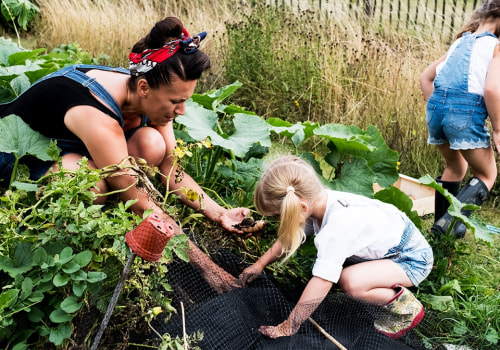
In an era marked by rapid industrialization and environmental concerns, the concept of self-sustaining farming has emerged as a beacon of hope for many individuals seeking a more fulfilling and sustainable lifestyle. This approach to agriculture emphasizes the importance of growing one’s own food, raising livestock, and utilizing natural resources efficiently. As people become increasingly aware of the impact of commercial farming on the environment, there is a growing interest in owning a farm that not only provides sustenance but also fosters a deeper connection to nature.The allure of homesteading lies in its promise of self-sufficiency and independence. By cultivating their own crops and raising animals, homesteaders can reduce their reliance on external food sources, which often come with hidden costs such as transportation emissions and chemical additives.
This shift towards self-sustaining practices not only benefits individual families but also contributes to broader environmental goals by promoting biodiversity and reducing carbon footprints.Moreover, the journey into self-sustaining farming is not merely about survival; it is about embracing a lifestyle that values sustainability, community, and resilience. As more people explore the idea of creating their own farms, they are discovering the joys of nurturing plants and animals, understanding seasonal cycles, and engaging in practices that honor the land. This movement is not just a trend; it represents a fundamental shift in how we perceive our relationship with food and the environment.As we delve deeper into the principles and practices of self-sustaining farming, it becomes clear that this way of life offers numerous rewards. From fresh produce to the satisfaction of knowing where your food comes from, owning a farm can transform not only your diet but also your entire outlook on life.
Join us as we explore the essentials of homesteading and uncover how you can embark on your own journey towards self-sufficiency.
The Historical Context of Self-Sustaining Farming
The journey of self-sustaining farming is deeply intertwined with the history of human civilization. From the earliest days of agriculture, communities have relied on the land to provide for their needs, establishing a profound connection with nature that continues to influence modern practices.In ancient civilizations, such as those in Mesopotamia and Egypt, farming was not merely a means of survival but a cornerstone of societal development. These early farmers cultivated staple crops like wheat and barley, utilizing irrigation techniques that allowed them to maximize yields. This period marked the beginning of traditional farming practices , where communities learned to work with the land's natural rhythms, rotating crops and using animal manure as fertilizer to enhance soil fertility.As societies evolved, so did their agricultural methods.The Middle Ages saw the rise of feudal systems in Europe, where peasants worked small plots of land in exchange for protection from landowners. This era emphasized subsistence farming, where families grew just enough food to sustain themselves. Techniques such as crop rotation and companion planting became essential for maintaining soil health and ensuring food security.The Industrial Revolution brought significant changes to farming practices. Mechanization and the introduction of synthetic fertilizers transformed agriculture into a more commercialized enterprise.
While this increased productivity, it also distanced people from traditional methods and the land itself. The focus shifted from self-sufficiency to mass production, leading to a reliance on external food sources.However, the late 20th century witnessed a resurgence of interest in homesteading and self-sustaining practices. As awareness grew regarding environmental issues and the sustainability of industrial agriculture, many individuals began to seek out ways to reconnect with their food sources. This movement has led to a revival of traditional techniques, such as organic farming and permaculture, which emphasize ecological balance and sustainability.Today, self-sustaining farming is not just about growing food; it embodies a lifestyle choice that prioritizes independence and environmental stewardship.
By understanding the historical context of farming practices, modern homesteaders can draw inspiration from the past while adapting these methods to meet contemporary challenges.
Benefits of Owning Your Own Farm
Owning your own farm brings a multitude of benefits that extend beyond mere food production. It fosters a lifestyle rooted in sustainability, self-sufficiency, and personal fulfillment. Here are some of the key advantages associated with self-sustaining farming:- Food Security: One of the most significant benefits of owning a farm is the assurance of food security. By growing your own crops and raising livestock, you can ensure a steady supply of fresh, nutritious food for you and your family.
This independence from grocery stores not only provides peace of mind but also allows you to control what goes into your meals.
- Cost Savings: Operating a self-sustaining farm can lead to substantial cost savings over time. By producing your own food, you can significantly reduce your grocery bills. Additionally, any surplus produce can be sold or traded, creating an extra income stream. This financial benefit can be particularly advantageous in times of economic uncertainty.
- Environmental Impact: Self-sustaining farming practices often have a positive impact on the environment.
By utilizing organic farming methods, such as composting and crop rotation, you can enhance soil health and reduce reliance on chemical fertilizers and pesticides. This not only promotes biodiversity but also helps mitigate climate change by reducing carbon footprints associated with food transportation.
- Personal Fulfillment: There is a profound sense of satisfaction that comes from cultivating your own land and producing food from scratch. The act of nurturing plants and animals fosters a deep connection to nature and can be incredibly rewarding. Many farmers find joy in the daily rhythms of farm life, from planting seeds in spring to harvesting crops in the fall.
- Community Engagement: Owning a farm often leads to stronger community ties.
Many self-sustaining farmers participate in local farmers' markets or community-supported agriculture (CSA) programs, allowing them to connect with their neighbors and share their bounty. This engagement not only supports local economies but also fosters relationships built on shared values of sustainability and health.
Getting Started: Essential Steps to Own Your Farm
Starting your own farm can be an incredibly rewarding venture, especially when aiming for a self-sustaining lifestyle. Here’s a comprehensive guide to help you navigate the essential steps to own your farm.1.Define Your Goals
Before diving into the practicalities, take some time to define what you want to achieve with your farm.
Are you looking to grow vegetables, raise livestock, or perhaps both? Understanding your goals will guide your decisions throughout the process.
2.Land Selection
The first tangible step in starting your farm is selecting the right piece of land. Consider the following factors:
- Location: Proximity to markets, water sources, and community resources can significantly impact your farming success.
- Soil Quality: Conduct soil tests to determine pH levels and nutrient content. Healthy soil is crucial for crop production.
- Climate: Research the climate in your chosen area. Different crops and animals thrive in different conditions.
- Size: Assess how much land you realistically need based on your goals.
Starting small can be beneficial as you learn.
3.Planning Your Farm Layout
Once you have secured land, it’s time to plan the layout of your farm. Consider the following elements:
- Crops and Livestock: Decide where each crop will be planted and where animals will be housed. Companion planting can enhance productivity.
- Water Access: Ensure that all areas of your farm have easy access to water for irrigation and livestock needs.
- Sustainability Practices: Incorporate features like composting areas, rainwater collection systems, and crop rotation plans into your layout.
4.Initial Setup
The initial setup involves several key tasks:
- Clearing and Preparing Land: Clear any debris and prepare the soil for planting by tilling or adding organic matter.
- Purchasing Seeds and Animals: Choose high-quality seeds suited for your climate and consider starting with a few animals to manage their care effectively.
- Building Infrastructure: Construct necessary structures such as barns, greenhouses, or fencing to protect crops and livestock.
5.Continuous Learning and Adaptation
The journey of owning a self-sustaining farm is one of continuous learning. Stay informed about best practices in farming through workshops, online courses, and community groups.
Adaptation is key; be prepared to adjust your methods based on what works best for your specific situation.By following these essential steps, you’ll be well on your way to establishing a successful self-sustaining farm that not only meets your needs but also contributes positively to the environment.
Choosing the Right Crops and Livestock for Your Farm
When embarking on the journey of establishing your own farm, one of the most critical decisions you will face is selecting the right crops and livestock. This choice is influenced by various factors, including your local climate, soil conditions, and personal preferences. Making informed decisions in this area can significantly enhance your farm's productivity and sustainability.Understanding Your Climate
- Each region has its unique climate characteristics, which directly affect what can be successfully grown or raised. For instance, if you live in a warmer climate, you might consider crops like tomatoes, peppers, and squash that thrive in heat.
- Conversely, cooler regions may be better suited for crops such as kale, carrots, and potatoes.
Understanding your hardiness zone can help you select plants that will flourish in your environment.
Assessing Soil Conditions
The health of your soil is paramount to successful farming. Conducting a soil test can provide valuable insights into its pH level, nutrient content, and texture. Based on these results, you can:
- Choose crops that are well-suited to your soil type. For example, sandy soils drain quickly and may be ideal for root vegetables.
- Implement practices such as crop rotation and cover cropping to improve soil health over time.
Personal Preferences and Biodiversity
Your personal tastes should also play a role in your selection process.
Growing crops that you enjoy eating not only makes the farming experience more rewarding but also encourages you to maintain your garden. Additionally, incorporating a variety of plants can promote biodiversity on your farm:
- Diverse plantings can help prevent pest outbreaks and diseases by creating a balanced ecosystem.
- Consider companion planting—growing certain plants together that benefit each other—to maximize space and resources.
Selecting Livestock for Small Farms
If you're considering raising animals on your farm, think about the following:
- The size of your property: Smaller farms may benefit from raising chickens for eggs or goats for milk, as they require less space compared to larger livestock.
- Your goals: Are you looking for animals primarily for food production or companionship? This will influence your choices significantly.
Farming Techniques for Sustainability and Productivity
To cultivate a successful own farm that thrives sustainably, it is essential to implement various farming techniques that not only boost productivity but also respect and enhance the ecological balance. Here are some key methods to consider:Crop Rotation
One of the foundational practices in sustainable farming is crop rotation.This technique involves alternating the types of crops grown in a particular area across different seasons or years. By rotating crops, farmers can:
- Improve soil health: Different plants have varying nutrient requirements and pest profiles. Rotating crops helps replenish soil nutrients and disrupt pest cycles.
- Reduce soil erosion: Diverse root systems from different plants can help maintain soil structure and prevent erosion.
- Enhance biodiversity: A variety of crops can attract beneficial insects and promote a balanced ecosystem.
Companion Planting
Companion planting
is another effective strategy that involves growing different plants in proximity for mutual benefits. This method can:
- Repel pests: Certain plants, like marigolds, can deter harmful insects when planted alongside vegetables.
- Enhance growth: Some plants, such as beans, can fix nitrogen in the soil, benefiting neighboring crops like corn.
- Maximize space: By utilizing vertical space and intercropping, farmers can increase their yield per square foot.
Organic Pest Control
Maintaining a healthy farm ecosystem also requires effective pest management.Organic pest control methods focus on natural solutions rather than synthetic chemicals. Some popular techniques include:
- Beneficial insects: Introducing ladybugs or lacewings can help control aphid populations naturally.
- Naturally derived repellents: Sprays made from neem oil or garlic can deter pests without harming beneficial organisms.
- Cultural practices: Techniques such as proper sanitation, crop diversity, and timing of planting can significantly reduce pest outbreaks.
Challenges Faced by Self-Sustaining Farmers
Embarking on the journey of self-sustaining farming is rewarding, yet it comes with its own set of challenges that can test even the most dedicated homesteaders. Understanding these challenges is crucial for anyone looking to establish their own farm and thrive in a self-sufficient lifestyle.Time Commitment
One of the most significant hurdles faced by self-sustaining farmers is the time commitment.Unlike commercial farming, which often relies on machinery and large-scale operations, self-sustaining farming is inherently labor-intensive. Tasks such as planting, weeding, harvesting, and caring for animals require consistent attention and effort. Many new farmers underestimate the amount of time needed to manage their farms effectively.
- Daily Responsibilities: Daily chores can take several hours, especially during peak seasons like planting and harvest time.
- Seasonal Variability: Different seasons bring different tasks, requiring farmers to adapt their schedules accordingly.
- Long-Term Planning: Successful self-sustaining farming involves planning for crop rotations, animal care, and soil health over the long term.
Learning Curve
The learning curve associated with self-sustaining farming can be steep. For those new to agriculture, there is a wealth of knowledge to acquire regarding soil health, pest management, crop selection, and animal husbandry.This learning process can be overwhelming but is essential for success.
- Soil Management: Understanding soil composition and health is vital for growing healthy crops.
- Pest Control: Learning about natural pest control methods can take time but is crucial for maintaining a healthy farm ecosystem.
- Crop Selection: Choosing the right crops that thrive in your local climate requires research and experimentation.
Environmental Risks
The unpredictability of nature presents another challenge for self-sustaining farmers. Weather conditions can significantly impact crop yields and livestock health. Factors such as droughts, floods, pests, and diseases can threaten the viability of a farm.- Weather Variability: Extreme weather events can destroy crops or make it difficult to plant and harvest on time.
- Pest Infestations: Pests can quickly decimate crops if not managed effectively, leading to significant losses.
- Disease Outbreaks: Livestock diseases can spread rapidly and require immediate attention to prevent loss.
Community and Resources for Aspiring Farmers
Embarking on the journey to establish your own farm can be both exhilarating and daunting.One of the most significant factors that can influence your success is the support you receive from your community and the resources available to you. Building connections with fellow farmers and accessing valuable information can make a world of difference in your farming experience.
Farming Communities
Joining a local farming community can provide you with a wealth of knowledge and support. These communities often consist of individuals who share similar goals and challenges, making it easier to exchange ideas and solutions. Here are some ways to engage with farming communities:
- Local Meetups: Attend local meetups or farmer's markets where you can connect with other aspiring farmers.
These gatherings often foster a sense of camaraderie and provide opportunities for networking.
- Online Forums: Participate in online forums dedicated to homesteading and self-sustaining farming. Websites like Reddit, Facebook groups, and specialized forums allow you to ask questions, share experiences, and learn from others.
- Workshops and Classes: Look for workshops or classes offered by local agricultural organizations or universities. These events often cover essential topics such as organic farming techniques, animal husbandry, and sustainable practices.
Resources for Homesteaders
In addition to community support, numerous resources are available to help you navigate the complexities of starting your own farm. Here are some valuable resources:
- Books and Guides: Invest in books that focus on self-sustaining farming practices.
Titles like "The Backyard Homestead" or "Gaia's Garden" offer practical advice on growing food, raising animals, and creating a sustainable lifestyle.
- YouTube Channels: Many experienced farmers share their knowledge through YouTube channels. Channels like "Justin Rhodes" or "Roots and Refuge Farm" provide visual tutorials on various farming techniques.
- Local Agricultural Organizations: Reach out to local agricultural organizations that offer resources for new farmers. They may provide access to grants, mentorship programs, or even land-sharing opportunities.
Support for New Farmers
The transition into farming can be overwhelming, but knowing that support is available can ease the process. Consider these options for additional support:
- Mentorship Programs: Seek out mentorship programs where experienced farmers guide newcomers through the initial stages of farming.
This one-on-one support can be invaluable in helping you avoid common pitfalls.
- Cooperatives: Join a cooperative where members pool resources for purchasing supplies or marketing products. This collaborative approach can reduce costs and increase your farm's visibility.
- Government Programs: Investigate government programs designed to assist new farmers. Many states offer grants, loans, or training programs aimed at promoting sustainable agriculture.
The Future of Self-Sustaining Farming in America
The landscape of self-sustaining farming in America is evolving rapidly, driven by a growing awareness of sustainability and environmental conservation.As more individuals seek to reconnect with the land and reduce their ecological footprint, the homesteading movement is gaining momentum. This shift is not merely a trend; it represents a fundamental change in how we perceive food production and our relationship with nature.One of the most significant trends shaping the future of self-sustaining farming is the increasing adoption of sustainable agriculture practices. Farmers are now more inclined to implement methods that prioritize soil health, biodiversity, and ecosystem balance. Techniques such as permaculture, which emphasizes working with natural systems, and regenerative agriculture, which focuses on restoring soil health, are becoming more mainstream.
These practices not only enhance productivity but also contribute to long-term environmental health.Moreover, technological advancements are playing a crucial role in this transformation. Innovations such as precision agriculture, which utilizes data analytics and IoT devices, allow farmers to optimize their resources efficiently. This technology enables them to monitor soil conditions, crop health, and water usage in real-time, leading to more informed decisions that align with sustainable practices.The rise of community-supported agriculture (CSA) programs is another indicator of the future direction of self-sustaining farming. These initiatives foster direct connections between consumers and local farmers, promoting the consumption of fresh, seasonal produce while supporting local economies.
As consumers become more conscious of where their food comes from, the demand for locally sourced products is expected to grow.Furthermore, educational resources and workshops focused on self-sustaining practices are proliferating across the country. Organizations dedicated to teaching sustainable farming techniques are emerging, providing aspiring homesteaders with the knowledge and skills necessary to start their own farms. This educational push is vital for ensuring that future generations are equipped to continue the legacy of self-sufficiency.In conclusion, the future of self-sustaining farming in America looks promising as it aligns with broader societal shifts towards sustainability and environmental stewardship. With a combination of innovative practices, technological advancements, and community engagement, the homesteading movement is poised for significant growth in the coming years.
As more people embrace this lifestyle, we can expect a profound impact on our food systems and our relationship with the environment.
Conclusion: Embracing the Homesteader's Lifestyle
As we conclude this exploration of self-sustaining farming from a homesteader's perspective, it becomes clear that owning a self-sustaining farm is about much more than merely producing food. It embodies a holistic lifestyle choice that emphasizes sustainability, independence, and a profound connection to the land. This journey into self-sufficiency invites individuals to rethink their relationship with food, nature, and community.Throughout this guide, we have delved into the historical roots of self-sustaining farming, highlighting how it has been a way of life for countless generations. The resurgence of interest in this practice today reflects a growing awareness of environmental issues and the desire for healthier living.By choosing to cultivate your own crops and raise your own animals, you are not just ensuring your family's nourishment; you are also contributing to a more sustainable future.Moreover, the benefits of self-sustaining farming extend beyond personal health and financial savings. Engaging in this lifestyle fosters a sense of community as you connect with like-minded individuals who share your values. Whether through local farmers' markets, community-supported agriculture (CSA) programs, or online forums, the support network available to homesteaders is invaluable.However, it is essential to acknowledge the challenges that come with this lifestyle. The commitment required for successful self-sustaining farming can be daunting.
It demands time, effort, and a willingness to learn from both successes and failures. Yet, these challenges are often outweighed by the rewards—fresh produce at your fingertips, the satisfaction of hard work, and the joy of living in harmony with nature.In embracing the homesteader's lifestyle, you are making a conscious choice to prioritize sustainability and independence. This path may not always be easy, but it is undoubtedly fulfilling. As you embark on or continue your journey toward owning your own farm, remember that every small step contributes to a larger movement towards a more sustainable world.Ultimately, self-sustaining farming is about reclaiming control over your food sources and fostering a deeper connection with the environment.
It is an invitation to live intentionally and sustainably while nurturing both yourself and the planet.