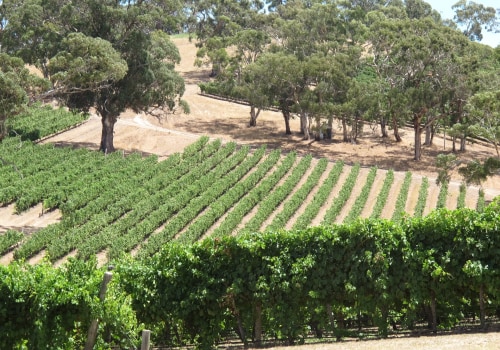
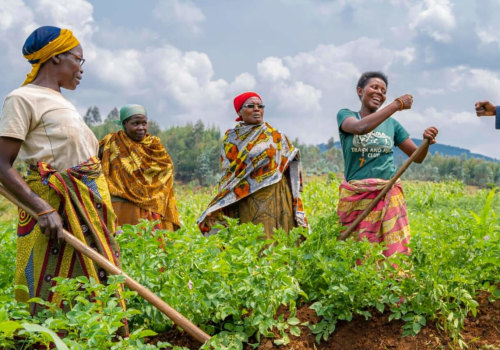
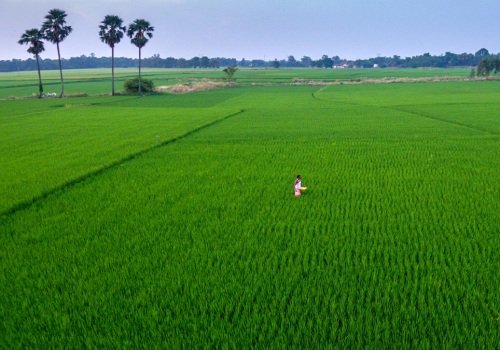
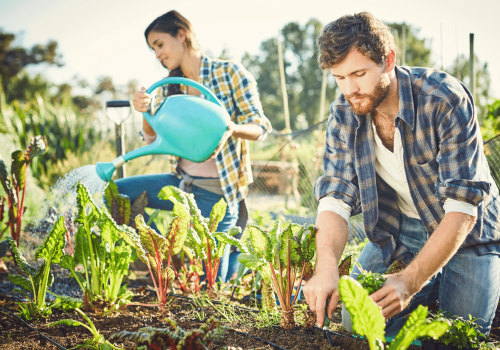
In a world increasingly dominated by fast food and processed meals, the idea of growing your own food has gained remarkable traction. More than just a trend, this practice embodies a return to our roots, allowing individuals to reconnect with nature and the source of their sustenance. The joy of cultivating your own garden transcends mere practicality; it fosters a profound sense of accomplishment and well-being. Imagine stepping into your backyard or balcony, surrounded by vibrant greens and colorful fruits, knowing that each plant is a testament to your hard work and dedication.The benefits of self-cultivation extend far beyond the physical act of planting seeds.
Engaging in gardening can significantly enhance mental health, providing a therapeutic escape from the stresses of daily life. Studies have shown that spending time in nature can reduce anxiety and improve mood, making gardening not just an activity but a holistic approach to well-being. Furthermore, the satisfaction derived from harvesting your own produce is unparalleled; it’s a tangible reward for your efforts that store-bought items simply cannot replicate.As more people seek sustainable living solutions, the movement towards self-sufficiency has never been more relevant. Growing your own food empowers you to make informed choices about what you consume, ensuring that your meals are free from harmful chemicals and pesticides often found in commercial produce.
This shift not only benefits personal health but also contributes positively to the environment by reducing carbon footprints associated with transporting food over long distances.Ultimately, the journey of growing your own food is about embracing a lifestyle that values health, sustainability, and personal fulfillment. Whether you have a sprawling backyard or just a few pots on a windowsill, the act of nurturing plants can transform your relationship with food and foster a deeper appreciation for the natural world around you.
Understanding the Concept of Your Own Farm
When we talk about having your own farm, it encompasses a broad spectrum of personal cultivation practices that can vary significantly in scale and complexity. At its core, the concept of an own farm refers to any space where individuals engage in the cultivation of food for their own consumption. This can range from a small backyard garden to a larger plot of land dedicated to various agricultural activities.For many, the journey begins with home gardening.This is often the most accessible form of personal farming, allowing individuals to grow fruits, vegetables, and herbs right in their backyards. Home gardening not only provides fresh produce but also fosters a deeper connection with nature and the food we consume. It can be as simple as planting a few pots of herbs on a windowsill or as elaborate as creating a full vegetable garden.As one becomes more comfortable with gardening, they may choose to expand their efforts into what could be considered a mini-farm. This might involve utilizing a larger section of their yard or even transforming an unused area into a productive space.
Here, individuals can experiment with different crops, learn about crop rotation, and even incorporate sustainable practices such as composting and rainwater harvesting.On a larger scale, some may opt for more extensive personal farming endeavors. This could include acquiring additional land or joining community-supported agriculture (CSA) programs where they can cultivate larger plots. These initiatives not only enhance self-sufficiency but also contribute to local food systems by providing fresh produce to nearby communities.The benefits of having your own farm extend beyond just food production. Engaging in personal farming promotes self-sufficiency , allowing individuals to rely less on commercial food sources and more on their own efforts.
This shift not only reduces grocery bills but also empowers people to make informed choices about what they eat, knowing exactly how their food is grown.In conclusion, the concept of an own farm is versatile and adaptable to individual lifestyles and preferences. Whether through small-scale home gardening or larger farming projects, cultivating your own food is a rewarding endeavor that enhances both personal well-being and environmental sustainability.
The Benefits of Cultivating Your Own Food
Growing your own food offers a multitude of benefits that extend beyond mere satisfaction. From health advantages to economic savings and positive environmental impacts, cultivating your own farm can transform your lifestyle in profound ways.Health Advantages
- Freshness and Nutritional Value: Homegrown produce is often harvested at its peak ripeness, ensuring maximum flavor and nutritional content. Unlike store-bought fruits and vegetables, which may spend days in transit, your homegrown food reaches your plate almost immediately.
- Control Over Inputs: When you grow your own food, you have complete control over what goes into the soil and onto the plants. When you grow your own food, you have complete control over what goes into the soil and onto the plants.
This means you can avoid harmful pesticides and chemicals commonly used in commercial farming, leading to healthier meals for you and your family.
- Physical Activity: Gardening is a form of exercise that can improve physical health. The act of planting, weeding, and harvesting engages various muscle groups and promotes cardiovascular health.
Economic Savings
- Reduced Grocery Bills: By cultivating your own farm, you can significantly cut down on grocery expenses. While there may be initial costs for seeds, soil, and tools, the long-term savings from not having to purchase produce can be substantial.
- Increased Property Value: A well-maintained garden can enhance the aesthetic appeal of your property, potentially increasing its market value. Prospective buyers often appreciate the idea of a self-sustaining home.
Environmental Impact
- Lower Carbon Footprint: Growing your own food reduces reliance on commercially produced items that require transportation, packaging, and refrigeration.
This contributes to a decrease in greenhouse gas emissions.
- Biodiversity Promotion: By planting a variety of crops, you can support local ecosystems and promote biodiversity. This is crucial for maintaining healthy soil and pest control without chemicals.
Types of Cultivation Methods for Your Own Farm
When it comes to establishing your own farm, understanding the various cultivation methods available is essential for maximizing your yield and ensuring a successful harvest. Each method has its unique advantages and challenges, making it important to choose one that aligns with your space, resources, and gardening goals.Backyard Gardening
Backyard gardening is one of the most traditional and popular methods for growing food at home.This approach involves utilizing a designated plot of land in your backyard to cultivate a variety of fruits, vegetables, and herbs.
- Advantages:
- Allows for a wide range of crops, from tomatoes to zucchini.
- Provides ample space for larger plants and companion planting.
- Encourages outdoor activity and connection with nature.
- Challenges:
- Requires significant planning regarding soil quality, sunlight exposure, and water supply.
- Pest management can be more complex due to the variety of plants grown.
- Seasonal changes can affect crop yields, requiring seasonal planning.
Container Gardening
If you have limited outdoor space or live in an urban environment, container gardening offers a flexible solution. This method involves growing plants in pots or other containers, making it ideal for balconies or small yards.- Advantages:
- Easy to manage and maintain; containers can be moved to optimize sunlight exposure.
- Great for growing herbs, salad greens, and even small fruiting plants like strawberries.
- Reduces the risk of soil-borne pests and diseases since you control the soil used.
- Challenges:
- Containers require regular watering as they tend to dry out quickly.
- Nutrient management is crucial; container soil may need frequent fertilization.
- Limited space can restrict the number of plants you can grow.
Indoor Gardening
For those without any outdoor space, indoor gardening presents an excellent opportunity to grow food year-round. This method can involve using pots, hydroponic systems, or vertical gardens to cultivate plants inside your home.- Advantages:
- Allows for year-round cultivation regardless of external weather conditions.
- Can improve indoor air quality while providing fresh produce at your fingertips.
- Perfect for growing herbs and leafy greens that thrive in smaller spaces.
- Challenges:
- Requires adequate lighting; you may need to invest in grow lights for optimal growth.
- Adequate ventilation is necessary to prevent mold and ensure healthy plant growth.
- Monitoring water levels and nutrients is essential, especially in hydroponic systems.
Backyard Gardening: Creating Your Own Outdoor Oasis
Backyard gardening is an enriching endeavor that transforms your outdoor space into a vibrant oasis of fresh produce. To embark on this journey, it’s essential to start with proper soil preparation , which lays the foundation for a thriving garden.Soil Preparation
- Testing Soil Quality: Begin by testing your soil to determine its pH and nutrient levels.
Home testing kits are widely available and can guide you in amending your soil appropriately.
- Amending the Soil: Based on the test results, you may need to add organic matter such as compost, well-rotted manure, or peat moss. These amendments improve soil structure, enhance drainage, and provide essential nutrients.
- Tilling: Loosen the soil by tilling it to a depth of at least 12 inches. This process aerates the soil and helps incorporate amendments evenly.
Choosing the Right Plants
Selecting plants suited to your climate and soil type is crucial for a successful garden. Consider starting with easy-to-grow vegetables like tomatoes, peppers, and lettuce.
Additionally, incorporating herbs such as basil and cilantro can enhance your culinary experiences.
Pest Control Strategies
Pests can pose significant challenges in backyard gardening. Implementing effective pest control strategies is vital for protecting your plants:
- Companion Planting: Certain plants can deter pests when grown together. For example, planting marigolds alongside vegetables can help repel aphids and nematodes.
- Natural Predators: Encourage beneficial insects like ladybugs and lacewings that feed on common garden pests. You can attract them by planting flowers such as dill and yarrow.
- Organic Pesticides: If pest problems persist, consider using organic pesticides made from natural ingredients.
Always follow application instructions carefully to minimize harm to beneficial insects.
Maximizing Space
If space is limited, consider vertical gardening techniques such as trellising or using wall planters. These methods not only save space but also create an aesthetically pleasing garden environment.By focusing on these essential aspects of backyard gardening—soil preparation, plant selection, pest control strategies, and space maximization—you can cultivate a flourishing garden that provides fresh produce while enhancing your outdoor living experience.
Container Gardening: Growing Food in Limited Spaces
For those living in urban environments or with limited outdoor space, container gardening offers a practical and rewarding solution for growing your own food. This method allows you to cultivate a variety of plants in pots, buckets, or other containers, making it possible to enjoy fresh produce even in the smallest of spaces.One of the key advantages of container gardening is its versatility. You can place containers on balconies, patios, or even windowsills, allowing you to maximize your available space.Additionally, container gardening can be tailored to fit your lifestyle and preferences. Here are some ideas to get you started:
- Herbs: Herbs like basil, parsley, and cilantro thrive in containers and can be used fresh in your cooking. They require minimal space and can be grown indoors or outdoors.
- Salad Greens: Leafy greens such as lettuce, spinach, and arugula grow quickly and can be harvested multiple times throughout the season. They do well in shallow containers.
- Tomatoes: Many varieties of tomatoes are well-suited for container gardening.
Choose determinate types that stay compact and require less support.
- Peppers: Both sweet and hot peppers flourish in pots. They enjoy warm weather and can add a vibrant touch to your garden.
- Radishes: Fast-growing radishes are perfect for beginners and can be sown directly into containers for quick harvests.
- Choose the Right Soil: Use high-quality potting mix designed for container gardening. This type of soil provides good drainage and aeration for plant roots.
- Water Wisely: Container plants often dry out faster than those in the ground. Check moisture levels regularly and water when the top inch of soil feels dry.
- Fertilize Regularly: Since nutrients can leach out of containers more quickly, apply a balanced fertilizer every few weeks to support plant growth.
- Provide Adequate Sunlight: Most vegetables and herbs require at least 6-8 hours of sunlight daily.
Position your containers accordingly to ensure they receive enough light.
Indoor Gardening: Cultivating Fresh Produce Year-Round
Indoor gardening has gained immense popularity as a practical solution for those who wish to grow their own food regardless of external weather conditions. With the right techniques and tools, you can cultivate a variety of fresh produce all year round. This section delves into effective indoor gardening methods, including hydroponics and vertical gardens, to help you create a thriving indoor garden.Hydroponics: Soil-Free Growing
Hydroponics is an innovative gardening technique that allows you to grow plants without soil.Instead, plants are cultivated in nutrient-rich water solutions, which provide all the essential minerals they need to thrive. This method offers several advantages:
- Space Efficiency: Hydroponic systems can be set up in small spaces, making them ideal for apartments or homes with limited room.
- Faster Growth: Plants grown hydroponically often grow faster than those in soil due to direct access to nutrients and water.
- Pest Control: The absence of soil reduces the risk of soil-borne pests and diseases, leading to healthier plants.
Vertical Gardens: Maximizing Space
If you're short on horizontal space, vertical gardening is an excellent option. This method involves growing plants upwards on structures like trellises, shelves, or wall-mounted planters.Vertical gardens not only save space but also create an aesthetically pleasing environment. Here are some tips for successful vertical gardening:
- Select the Right Plants: Choose plants that thrive in vertical setups, such as herbs, leafy greens, and strawberries.
- Ensure Proper Lighting: Position your vertical garden where it can receive adequate sunlight or use grow lights to supplement natural light.
- Watering Techniques: Implement a drip irrigation system or self-watering planters to maintain consistent moisture levels.
Planning Your Own Farm: Essential Steps for Success
Starting your own farm is an exciting venture, but it requires careful planning to ensure success. A well-thought-out plan not only maximizes your space but also enhances productivity throughout the seasons.Here are some essential steps to consider when planning your garden.
Designing Your Garden Layout
The first step in planning your farm is to design an effective garden layout. This involves considering the following:- Space Utilization: Assess the available space and determine how much of it you want to dedicate to different crops. Consider using raised beds, rows, or even vertical gardening techniques to optimize your area.
- Sunlight Exposure: Observe how sunlight moves across your garden throughout the day. Most vegetables require at least 6-8 hours of direct sunlight, so position taller plants where they won’t shade shorter ones.
- Accessibility: Ensure that pathways are wide enough for easy access to all areas of your garden.
This will make maintenance tasks like weeding, watering, and harvesting more manageable.
Creating a Seasonal Planting Guide
A seasonal planting guide is crucial for maintaining a productive farm year-round. Here’s how to create one:- Research Planting Times: Different crops have specific planting and harvesting times. Research the best times for sowing seeds based on your local climate and growing season.
- Diversity of Crops: Plan for a variety of crops that can be planted in different seasons. This not only keeps your meals interesting but also helps in pest management and soil health.
- Rotation and Succession Planting: Implement crop rotation to prevent soil depletion and reduce pest issues.
Additionally, consider succession planting—sowing new seeds as soon as one crop is harvested—to maximize yield.
'Frequently Asked Questions' About Growing Your Own Food
Starting your own farm can be an exciting journey, but it often comes with a myriad of questions. Here are some frequently asked questions that can help guide you as you embark on this rewarding endeavor.How to Start a Garden?
Beginning your own garden involves several key steps:- Choose Your Location: Select a spot that receives at least 6-8 hours of sunlight daily. Ensure the area has good drainage and is easily accessible for maintenance.
- Decide on the Type of Garden: Determine whether you want a traditional in-ground garden, raised beds, or container gardening based on your available space and preferences.
- Prepare the Soil: Test your soil for pH and nutrient levels.
Amend it with organic matter like compost to improve fertility and structure.
- Select Your Plants: Choose plants that are suitable for your climate and growing conditions. Start with easy-to-grow varieties like tomatoes, lettuce, or herbs if you're a beginner.
- Plant and Care: Follow planting guidelines for spacing and depth. Water regularly, monitor for pests, and provide necessary nutrients throughout the growing season.
What Can I Grow?
The possibilities are vast when it comes to what you can grow in your own farm. Here are some popular options:- Vegetables: Tomatoes, cucumbers, peppers, carrots, and beans are great choices for beginners.
- Fruits: Strawberries, blueberries, and apples can be rewarding to grow and provide delicious harvests.
- Herbs: Basil, parsley, cilantro, and mint are easy to cultivate and enhance your culinary creations.
- Flowers: Consider planting sunflowers or marigolds to attract pollinators and add beauty to your garden.
How Much Space Do I Need?
The amount of space required for your garden largely depends on what you plan to grow:- Small Gardens: Even a small balcony or patio can accommodate container gardens or vertical gardening systems.
- Backyard Gardens: A typical backyard can support a variety of raised beds or in-ground plots.
A space of 10x10 feet can yield a substantial amount of produce.
- Larger Farms: If you're considering a more extensive setup, aim for at least 100 square feet to allow for crop rotation and diversity.
'Conclusion: Embracing the Journey of Self-Cultivation'
As we conclude our exploration of the joys and benefits of cultivating your own food, it’s essential to reflect on the myriad advantages that come with this rewarding endeavor. Growing your own food is not merely a hobby; it is a transformative journey that fosters a deeper connection with nature, enhances your well-being, and promotes sustainability.Summary of Benefits
- Healthier Choices: By growing your own food, you gain access to fresh, organic produce free from harmful pesticides and chemicals. This not only improves your diet but also contributes to better overall health.
- Cost Savings: While there may be initial investments in seeds and gardening supplies, the long-term savings on grocery bills can be significant. Homegrown produce often yields more than store-bought options.
- Sustainability: Cultivating your own food reduces your carbon footprint by minimizing reliance on commercially produced goods.
This practice supports local ecosystems and promotes biodiversity.
- Emotional Satisfaction: The act of nurturing plants and witnessing their growth can be incredibly fulfilling. Gardening provides a sense of accomplishment and can serve as a therapeutic outlet for stress relief.
Final Thoughts on Growing Food
Embracing the journey of self-cultivation is about more than just the end product; it’s about the experiences and lessons learned along the way. Each seed sown represents hope and potential, while every harvest is a celebration of your hard work and dedication. Whether you have a sprawling backyard or a small balcony, there are countless ways to engage with the earth and reap the rewards of your labor.
Encouragement to Start Gardening
If you’ve been contemplating starting your own garden, now is the perfect time to take that leap.
Begin small—perhaps with a few pots of herbs on your windowsill or a small vegetable patch in your yard. As you gain confidence and experience, you can expand your efforts and explore new varieties of plants. Remember, every gardener was once a beginner, and each step you take brings you closer to enjoying the fruits of your labor.In conclusion, growing your own food is an enriching journey that offers numerous benefits for both body and soul. Embrace this opportunity to cultivate not just plants but also a healthier lifestyle and a more sustainable future.