When considering the journey of establishing your own farm, one of the most critical factors to evaluate is the size of the operation. The size of a farm is not merely a number; it encompasses a multitude of elements that can significantly influence its overall success. From productivity and profitability to sustainability and environmental impact, the dimensions of a farm play a pivotal role in shaping its future. Understanding these dynamics is essential for anyone looking to embark on this rewarding yet challenging venture.The relationship between farm size and productivity is complex.
Larger farms often benefit from economies of scale, allowing them to produce goods at a lower cost per unit. This can lead to higher profit margins, especially in commodity farming where volume is key. However, larger operations may also face challenges such as increased management complexity and potential environmental degradation. Conversely, smaller farms can be more agile, adapting quickly to market demands and focusing on niche products that cater to local consumers.
This flexibility can enhance their sustainability and community impact.Moreover, the economic implications of farm size extend beyond individual operations. The agricultural sector as a whole is influenced by the distribution of farm sizes within a region. A balanced mix of small, medium, and large farms can contribute to a resilient agricultural economy, fostering innovation and diversity in food production. As you contemplate your own farming aspirations, recognizing the importance of size will help you make informed decisions that align with your goals and values.
Factors Influencing the Optimal Size of a Farm
Determining the optimal size for a farm is a multifaceted process influenced by several critical factors.Each of these elements plays a significant role in shaping the overall productivity, sustainability, and profitability of the farm. Below are some of the key factors that aspiring farmers should consider when evaluating their ideal farm size.
Location
The geographical location of a farm is perhaps one of the most influential factors in determining its size. Farms situated in developed regions often have access to advanced technology, infrastructure, and resources, allowing them to operate on a larger scale. In contrast, farms in developing areas may be smaller due to limited access to capital and technology, necessitating a more labor-intensive approach.Type of Farming
The specific type of farming being pursued also significantly impacts the ideal size of a farm.For instance:
- Dairy Farms: These typically require more land for grazing and feed production, making them larger in size.
- Vegetable Farms: Often more intensive and can be productive on smaller plots due to high-value crops.
- Mixed Farms: Combining various types of agriculture may require a balanced approach to land use, affecting overall size.
Market Demand
The demand for specific crops or products can dictate the necessary scale of farming operations. If there is a high market demand for certain goods, farmers may need to expand their operations to meet this demand effectively. Conversely, niche markets may allow smaller farms to thrive by focusing on specialty products that command higher prices.Available Resources
The resources at a farmer's disposal—such as land, capital, and labor—are crucial in determining farm size. A farmer with limited resources may need to start small and gradually expand as they acquire more assets.Additionally, access to water sources, soil quality, and local climate conditions can also influence how much land is feasible for cultivation.In summary, understanding these factors is essential for anyone looking to own a farm. By carefully evaluating location, type of farming, market demand, and available resources, aspiring farmers can make informed decisions about the optimal size for their agricultural endeavors.
The Role of Location in Farm Size Determination
When considering the optimal size for a farm, one cannot overlook the significant influence of geographical location. The characteristics of a region—such as climate, soil quality, and access to resources—play a pivotal role in determining how large or small a farm can be. This section delves into the disparities between farming in developed and developing countries, as well as the unique challenges and opportunities presented by urban agriculture.In developed countries , farms tend to be larger due to several factors:- Access to Technology: Farmers in these regions often have access to advanced agricultural technologies, which allow for more efficient production on larger scales.
This includes everything from precision farming tools to automated machinery.
- Financial Resources: Larger farms can benefit from economies of scale, reducing per-unit costs and increasing profitability. Access to credit and investment also enables these farms to expand.
- Market Demand:Market Demand: Developed nations typically have a higher demand for diverse agricultural products, encouraging larger operations that can meet this demand.
- Limited Resources: Farmers may lack access to capital and technology, making it challenging to scale up operations. Many rely on traditional farming methods that require more manual labor.
- Cultural Practices: In many regions, smallholder farms are deeply rooted in local culture and community practices, emphasizing sustainability and local food production over large-scale commercial farming.
- Land Ownership Issues: Land tenure systems can restrict farmers from expanding their operations, leading to smaller farm sizes.
Urban farms often operate on limited space, sometimes as small as a quarter of an acre. Despite these constraints, urban agriculture offers unique advantages:
- Proximity to Markets: Urban farms can sell directly to consumers, reducing transportation costs and providing fresh produce to city dwellers.
- Diverse Crop Production: These farms often focus on high-value crops that can be sold at premium prices, allowing them to thrive even in smaller spaces.
- Zoning Regulations: Many cities have strict zoning laws that limit agricultural activities, making it difficult for urban farmers to expand or even operate legally.
- Lack of Resources: Urban farmers may struggle with access to water, soil quality issues, and limited financial support compared to their rural counterparts.
Types of Farming and Their Size Requirements
Understanding the various types of farming is essential for determining the optimal size for a farm.Each type of farming has unique requirements based on the crops or livestock involved, which directly influences the amount of land needed. Below, we explore several common farming types and their respective size requirements.
Dairy Farming
Dairy farms are among the most land-intensive operations due to the need for grazing pastures and facilities for milking and housing cows. A typical dairy farm requires:- Minimum Size: At least 50 acres to support a herd of around 30-50 cows.
- Optimal Size: 100-200 acres for larger herds, allowing for rotational grazing and sustainable practices.
Cereal and Grain Farming
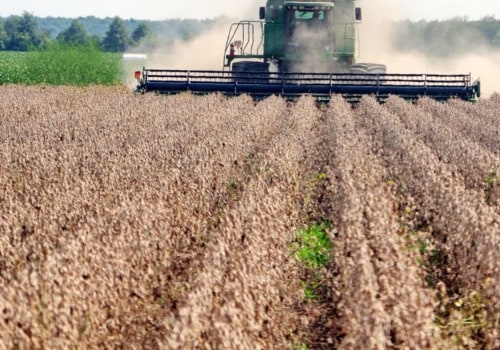
Cereal crops such as corn, wheat, and barley are typically grown on larger scales due to their high yield potential. The land requirements for grain farming include:- Minimum Size: 100 acres to effectively manage crop rotation and soil health.
- Optimal Size: 500 acres or more to take advantage of economies of scale, especially in mechanized farming.
Vegetable Farming
Vegetable farms can vary widely in size depending on the type of vegetables grown and the market served.Key points include:
- Minimum Size: Small-scale vegetable farms can operate effectively on as little as 1-5 acres.
- Optimal Size: 10-20 acres is often ideal for those targeting local markets or community-supported agriculture (CSA) programs.
Poultry Farming
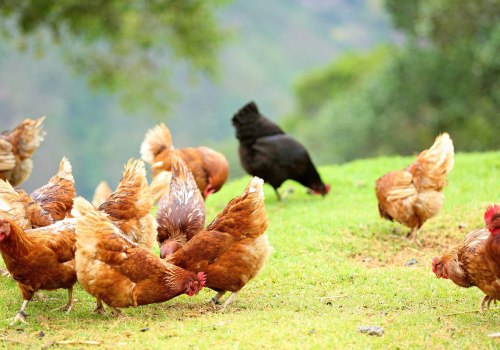
Poultry farms, whether for meat (broilers) or eggs (layers), have specific land requirements that depend on the production method:- Minimum Size: A small poultry operation can start with just 1-2 acres.
- Optimal Size: Larger operations may require 10-20 acres to ensure adequate space for free-range practices and biosecurity measures.
Market Demand: A Driving Force Behind Farm Size
Market demand plays a pivotal role in shaping the size and structure of a farm. As consumer preferences evolve, farmers must remain agile, adjusting their operations to meet the changing landscape of agricultural needs. Understanding the nuances of market demand for crops is essential for farmers looking to optimize their production and profitability.One of the primary ways that market demand influences farm size is through the necessity for scalability.When a particular crop experiences a surge in popularity—be it due to health trends, culinary fads, or increased export opportunities—farmers may find it beneficial to expand their operations. This expansion can take various forms:
- Increasing Acreage: Farmers may choose to acquire additional land to grow more of the high-demand crop, thereby increasing their overall output.
- Diversifying Crop Varieties: In response to market trends, farmers might diversify their offerings by introducing new varieties that cater to consumer preferences.
- Investing in Technology: To enhance productivity without necessarily increasing land size, farmers can invest in advanced agricultural technologies that allow for higher yields on existing plots.
Farmers who keep a close eye on market signals can make informed decisions about when to scale up or down. For example, if there is a sudden drop in demand for a specific crop due to market saturation or changing consumer preferences, farmers may need to adjust their production levels accordingly to avoid losses.In conclusion, adapting to market demand is not just about responding reactively; it requires proactive planning and foresight. By aligning farm size with market needs, farmers can ensure sustainability and profitability in an ever-evolving agricultural landscape.
Available Resources: Capital, Labor, and Land Considerations
When considering the optimal size for your own farm, the availability of resources such as capital, labor, and land plays a pivotal role. Each of these elements not only influences the initial setup but also determines the potential for future growth and sustainability.Capital Requirements for Farms
Capital is often the first hurdle for aspiring farmers.
The financial investment required can vary significantly based on the type of farming you wish to pursue. For instance, starting a small vegetable farm may require less initial capital compared to a large-scale dairy operation. Here are some key considerations:
- Initial Investment: This includes costs for land acquisition, equipment, seeds, livestock, and infrastructure such as barns or greenhouses.
- Operating Expenses: Ongoing costs such as utilities, feed, fertilizers, and labor must be factored into your budget.
- Access to Financing: Understanding your options for loans or grants can help you scale your farm effectively. Many government programs support new farmers with financial assistance.
Labor Considerations in Farming
The size of your farm will also dictate your labor needs.
Smaller farms may rely on family members or a few hired hands, while larger operations often require a more structured workforce. Here are some aspects to consider:
- Labor Availability: Assessing the local labor market is crucial. In rural areas, finding skilled labor can be challenging, which may limit your farm's size.
- Seasonal Labor Needs: Many farming activities are seasonal, necessitating temporary workers during peak times such as planting and harvest seasons.
- Skill Levels: The complexity of tasks on your farm will determine the skill level required from your labor force. Training may be necessary to ensure efficiency and productivity.
Land Availability
The amount of land you have access to directly impacts the scale of your farming operation.
Here are some factors to consider regarding land:
- Location: The geographical area can influence land prices and availability. Urban areas may offer less space but provide access to markets.
- Soil Quality: Not all land is created equal; understanding soil health and fertility is essential for determining what crops can be successfully grown.
- Zoning Regulations: Local laws may restrict the type of farming activities allowed in certain areas, affecting how you can utilize your land.
Sustainability and Environmental Impact of Farm Size
When considering the sustainability and environmental impact of farm size, it is essential to recognize the stark differences between large-scale industrial farming and smaller, more sustainable practices.Each approach has its own set of implications for biodiversity, resource conservation, and overall ecological health.
Large-Scale Industrial Farming
Large farms often prioritize efficiency and high yields, which can lead to significant environmental challenges. These farms typically employ monoculture practices, where a single crop is grown over vast areas. This method can deplete soil nutrients and reduce biodiversity, making ecosystems more vulnerable to pests and diseases. Additionally, the heavy use of chemical fertilizers and pesticides in large-scale operations can result in:
- Soil Degradation: Continuous cropping without proper soil management can lead to erosion and loss of soil fertility.
- Water Pollution: Runoff from fertilizers and pesticides can contaminate local waterways, harming aquatic life and disrupting ecosystems.
- Greenhouse Gas Emissions: Large farms contribute significantly to carbon emissions through machinery use and livestock production.
Small-Scale Sustainable Farming
In contrast, smaller farms often adopt sustainable farming practices that prioritize environmental health.
These farms tend to focus on:
- Diversity: By growing a variety of crops, small farms enhance biodiversity, which can improve resilience against pests and diseases.
- Organic Practices: Many small farmers utilize organic methods that avoid synthetic chemicals, promoting healthier soil and ecosystems.
- Resource Conservation: Smaller operations often implement water-saving techniques and crop rotation to maintain soil health and reduce resource consumption.
Urban Agriculture: Finding Space in Limited Areas
Urban agriculture has emerged as a vital solution to food insecurity and sustainability in densely populated areas.As cities expand, the need for fresh produce within urban environments has become increasingly apparent. However, urban farmers face unique challenges that can hinder their efforts to establish successful farms.One of the primary obstacles is the limited space available for farming. Unlike rural areas where vast tracts of land are accessible, urban settings often require innovative approaches to maximize productivity in small areas. Many urban farms operate on less than an acre, which necessitates efficient use of every square foot.
Vertical farming, container gardening, and rooftop gardens are some methods that have gained popularity as they allow for cultivation in unconventional spaces.Additionally, zoning regulations can pose significant barriers to urban agriculture. Many cities have strict land-use policies that may not accommodate farming activities. Farmers often find themselves navigating complex legal frameworks to secure permits for their operations. This can lead to delays and increased costs, making it challenging for new farmers to enter the market.Despite these challenges, there are several strategies that aspiring urban farmers can employ:
- Community Engagement: Building relationships with local communities can foster support and collaboration.
Engaging residents through workshops or volunteer opportunities can create a sense of ownership and investment in the farm.
- Partnerships: Collaborating with local businesses or organizations can provide access to resources and funding. For instance, partnering with schools for educational programs can also enhance community ties.
- Utilizing Technology: Implementing smart farming technologies can optimize resource use and increase yields. Tools such as hydroponics and aquaponics systems allow for efficient water usage and space management.
- Advocacy: Joining forces with other urban farmers to advocate for policy changes can help reshape zoning laws to be more favorable towards agricultural initiatives.
Case Studies: Successful Farms of Various Sizes
Understanding the dynamics of farm size and success can be greatly enhanced by examining real-world examples.Below are case studies of farms that have thrived, showcasing how their size and management strategies have played pivotal roles in their achievements.
Successful Small Farms
Small farms often demonstrate remarkable efficiency and innovation. One notable example is Blue Hill Farm in Maine, which operates on just 100 acres. This farm focuses on sustainable practices and local food production, supplying restaurants and markets in the area. By prioritizing organic methods and community engagement, Blue Hill has carved out a niche that allows it to thrive despite its smaller scale.Another inspiring case is Green City Growers , an urban farm located in Cleveland, Ohio.Utilizing less than an acre of land, this farm specializes in growing fresh produce for local restaurants and community-supported agriculture (CSA) programs. Their success stems from innovative vertical farming techniques and a strong commitment to sustainability, proving that even limited space can yield significant results.
Large Scale Farming Success Stories
On the other end of the spectrum, large-scale farms can also achieve remarkable success through strategic management. Harris Farms in California exemplifies this approach. Spanning over 18,000 acres, this farm produces a variety of crops including almonds, grapes, and tomatoes.By leveraging advanced technology such as precision agriculture and automated irrigation systems, Harris Farms maximizes productivity while minimizing environmental impact.Similarly, Cargill’s Grain Operations , which operates on a global scale, showcases how large farms can effectively meet market demands. With extensive resources at their disposal, they utilize data analytics to optimize crop yields and supply chains, ensuring they remain competitive in the ever-evolving agricultural landscape.
Lessons Learned from Case Studies
The success stories of both small and large farms highlight several key factors:- Niche Markets: Small farms often succeed by targeting specific local markets or unique products.
- Technology Adoption: Large farms benefit from investing in technology to enhance efficiency and productivity.
- Sustainability Practices: Both small and large operations that prioritize sustainable practices tend to perform better in the long run.
- Community Engagement: Successful farms often build strong relationships with their communities, fostering loyalty and support.
<strong>Conclusion</strong>: Finding Your Ideal Farm Size
In conclusion, determining the optimal size for your own farm is a multifaceted decision that requires careful consideration of various factors. Throughout this article, we have explored the complexities surrounding farm size, emphasizing that there is no universal solution.Each aspiring farmer must evaluate their unique circumstances, including location, type of farming, market demand, and available resources.To summarize the key points discussed:
- Farm Size Variability: The ideal farm size can vary significantly based on geographical location and agricultural practices. Smaller farms often excel in niche markets and sustainable practices, while larger farms can benefit from economies of scale.
- Resource Availability: The resources at your disposal—such as land, capital, and labor—play a crucial role in determining how large your farm can realistically be. Starting small may be advantageous for those with limited resources.
- Market Demand: Understanding the demand for specific crops or products in your area can guide your decision on farm size. A larger operation may be necessary to meet high demand for certain commodities.
- Sustainability Considerations: Environmental impact should also be a priority.
Smaller farms often employ more sustainable practices that contribute positively to biodiversity and soil health.