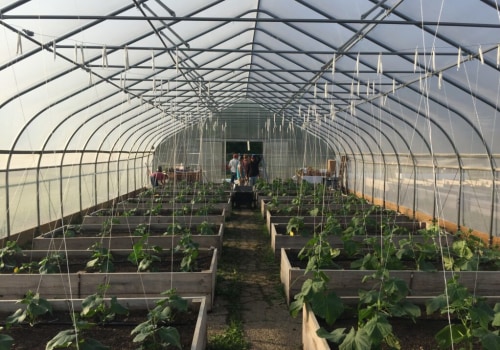
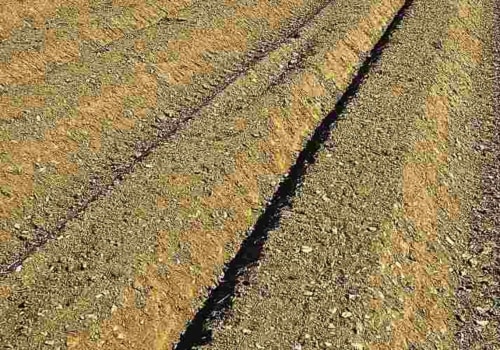
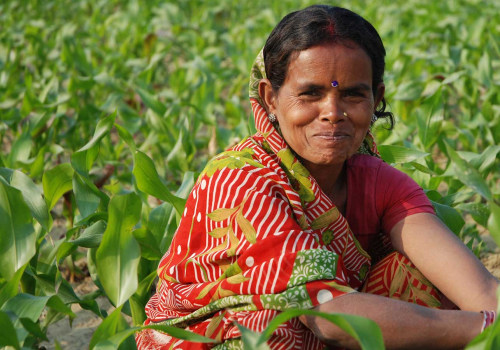
Peasant farming, often viewed through the lens of tradition and simplicity, is emerging as a vital player in the quest for sustainable agriculture. This approach to farming emphasizes small-scale, family-run operations that prioritize ecological balance, community well-being, and food sovereignty. As the world grapples with the consequences of industrial agriculture—such as soil degradation, loss of biodiversity, and climate change—peasant farming offers a refreshing alternative that not only sustains the environment but also nurtures local economies.At its core, peasant farming is about more than just producing food; it embodies a philosophy of stewardship towards the land. Farmers who operate their Peasant farming, often viewed through the lens of tradition and simplicity, is emerging as a vital player in the quest for sustainable agriculture. This approach to farming emphasizes small-scale, family-run operations that prioritize ecological balance, community well-being, and food sovereignty. As the world grapples with the consequences of industrial agriculture—such as soil degradation, loss of biodiversity, and climate change—peasant farming offers a refreshing alternative that not only sustains the environment but also nurtures local economies.At its core, peasant farming is about more than just producing food; it embodies a philosophy of stewardship towards the land. Farmers who operate their own farms often utilize traditional methods that have been passed down through generations, focusing on organic practices and crop diversity.
This contrasts sharply with industrial agriculture, which typically relies on monocultures and synthetic inputs that can harm both the ecosystem and human health. By fostering a connection to the land and prioritizing sustainable practices, peasant farmers contribute to a resilient food system that can withstand economic and environmental challenges.The significance of peasant farming extends beyond its environmental benefits. It plays a crucial role in preserving cultural heritage and promoting social equity. In many regions, these small-scale farmers are the backbone of rural communities, providing not only food but also jobs and social cohesion.
As consumers increasingly seek transparency in their food sources, the appeal of peasant farming grows. People are becoming more aware of where their food comes from and are willing to support local farmers who prioritize ethical practices over corporate interests.In this article, we will delve deeper into the principles of peasant farming, explore its advantages over industrial agriculture, and highlight how this model can lead to a more sustainable future for our planet. By understanding the value of peasant farming, we can appreciate its potential to transform our agricultural landscape and ensure food security for generations to come.
Understanding Peasant Farming
Peasant farming, often referred to as smallholder or subsistence farming, is a method of agricultural production that emphasizes self-sufficiency and sustainability. This approach is characterized by the use of traditional farming techniques, where farmers rely on their own labor and local resources to cultivate crops and raise livestock.Unlike industrial agriculture, which typically involves large-scale operations and heavy reliance on machinery and chemical inputs, peasant farming focuses on maintaining ecological balance and fostering community resilience.One of the defining characteristics of peasant farming is its emphasis on biodiversity. Peasant farmers often cultivate a variety of crops, which not only enhances soil health but also reduces the risk of crop failure due to pests or adverse weather conditions. This polyculture approach contrasts sharply with monoculture practices prevalent in industrial agriculture, where a single crop is grown over vast areas, leading to soil depletion and increased vulnerability to disease.Another key aspect of peasant farming is the strong connection between farmers and their land. Farmers typically have a deep understanding of local ecosystems, which informs their agricultural practices.
This knowledge allows them to implement sustainable methods such as crop rotation, intercropping, and organic fertilization. By prioritizing these techniques, peasant farmers can maintain soil fertility and reduce their dependence on synthetic fertilizers and pesticides.Owning a farm under the peasant model offers numerous benefits. Firstly, it provides individuals with a sense of autonomy and control over their livelihoods. Farmers can make decisions based on their values and local needs rather than corporate interests.
Additionally, peasant farming promotes food sovereignty, allowing communities to produce their own food and reduce reliance on imported goods.Moreover, owning a farm fosters community ties. Peasant farmers often engage in cooperative practices, sharing resources and knowledge with one another. This collaboration not only strengthens social bonds but also enhances collective resilience against economic or environmental challenges.In summary, peasant farming represents a viable alternative to industrial agriculture by prioritizing sustainability, biodiversity, and community engagement. The benefits of owning a farm within this framework extend beyond individual gain; they contribute to the overall health of ecosystems and societies alike.
The Historical Context of Peasant Farming
The roots of peasant farming can be traced back to ancient agricultural practices, where small-scale farmers cultivated their land using traditional methods.This form of agriculture was characterized by a deep connection to the land and a reliance on local resources, which allowed communities to sustain themselves and thrive. Over centuries, these practices evolved, adapting to changing environmental conditions and societal needs.In the early days, peasant farmers primarily engaged in subsistence agriculture, growing crops and raising livestock primarily for their own consumption. This self-sufficiency was crucial in agrarian societies, where access to markets was limited. As civilizations advanced, the introduction of trade routes and market economies began to shift the dynamics of farming.
Peasant farmers started to produce surplus goods, which they could sell or barter, leading to the emergence of more complex agricultural systems.During the Middle Ages in Europe, feudalism significantly impacted peasant farming. Land was owned by nobles, and peasants worked the land in exchange for protection and a share of the produce. This system often left peasants vulnerable and dependent on their lords, but it also fostered a sense of community among farmers who shared resources and knowledge.The Industrial Revolution marked a turning point in agricultural history. The advent of mechanization and large-scale farming transformed the landscape of agriculture, pushing many small-scale farmers out of business.
However, this shift also sparked a reaction; as industrial agriculture became dominant, there was a growing awareness of its environmental impacts and social inequalities. In response, movements advocating for sustainable practices began to emerge.Today, we are witnessing a resurgence of interest in peasant farming, driven by a desire for sustainable food systems that prioritize local production and ecological balance. Modern interpretations of peasant agriculture emphasize organic practices, biodiversity, and community engagement. This evolution reflects not only a return to traditional methods but also an adaptation to contemporary challenges such as climate change and food security.Understanding the historical context of peasant farming is essential for appreciating its role in today’s agricultural landscape.
As more individuals seek to establish their own farms, they are often inspired by these age-old practices that emphasize sustainability and self-reliance.
Peasant Farming vs. Industrial Agriculture
When comparing peasant farming to industrial agriculture , it is essential to understand the fundamental differences in practices, sustainability, and economic viability. Peasant farming, often characterized by small-scale operations, emphasizes local resources, traditional methods, and community involvement. In contrast, industrial agriculture relies heavily on mechanization, monoculture, and chemical inputs to maximize production efficiency.Key Differences in Practices
- Scale of Operation: Peasant farms are typically smaller and family-run, focusing on diverse crops and livestock.
Industrial farms operate on a much larger scale, often producing a single crop or livestock type.
- Resource Use: Peasant farming utilizes local seeds and organic fertilizers, promoting biodiversity. Industrial agriculture often depends on synthetic fertilizers and pesticides, which can lead to soil degradation and loss of biodiversity.
- Labor Practices: Peasant farming relies on family labor and community support, fostering social ties. Industrial agriculture frequently employs migrant labor under challenging conditions.
Sustainability Considerations
One of the most significant advantages of peasant farming is its sustainability. By prioritizing ecological balance and resource conservation, peasant farmers can maintain soil health and reduce their carbon footprint.
In contrast, industrial agriculture contributes to environmental issues such as soil erosion, water pollution, and greenhouse gas emissions due to its reliance on fossil fuels and chemical inputs.
Economic Viability
Owning a farm under the peasant model can be economically beneficial in several ways:
- Diverse Income Streams: Peasant farmers often grow multiple crops and raise various animals, providing them with multiple sources of income.
- Local Markets: By selling directly to local consumers or through farmers' markets, peasant farmers can retain a larger share of the profits compared to those selling through industrial supply chains.
- Community Support: Engaging with local communities fosters loyalty and support for peasant farmers, enhancing their market presence.
Sustainability and Environmental Impact
Peasant farming represents a significant shift towards sustainable agriculture practices that prioritize ecological balance and environmental stewardship. Unlike industrial agriculture, which often relies on chemical fertilizers, pesticides, and monoculture, peasant farming emphasizes biodiversity, crop rotation, and organic methods. This approach not only enhances soil health but also reduces the carbon footprint associated with food production.One of the most compelling aspects of owning a farm is the ability to implement sustainable practices that directly benefit the environment. For instance, peasant farmers often utilize permaculture techniques, which involve designing agricultural systems that mimic natural ecosystems.This method promotes the use of native plants and animals, creating a self-sustaining environment that requires fewer external inputs.
Environmental Benefits of Peasant Farming
- Biodiversity: Peasant farms typically cultivate a variety of crops and livestock, which fosters greater biodiversity. This diversity helps to create resilient ecosystems that can better withstand pests and diseases.
- Soil Health: By employing practices such as cover cropping and composting, peasant farmers enhance soil fertility and structure. Healthy soil is crucial for water retention and nutrient cycling, which are essential for sustainable food production.
- Water Conservation: Many peasant farming methods focus on efficient water use through techniques like rainwater harvesting and drip irrigation. These practices help to conserve water resources while ensuring crops receive adequate hydration.
- Carbon Sequestration: Sustainable farming practices contribute to carbon sequestration by maintaining healthy soils that store carbon dioxide.
This process is vital in combating climate change and reducing greenhouse gas emissions.
Economic Viability of Peasant Farming
The economic viability of peasant farming is increasingly recognized as a sustainable alternative to industrial agriculture.This model not only supports the livelihoods of farmers but also contributes to local economies and food security. By focusing on small-scale, diversified farming practices, peasant farmers can achieve a level of profitability that is often unattainable in large-scale industrial operations.One of the primary economic benefits of peasant farming is the ability to generate a stable income. Owning a farm allows individuals to cultivate a variety of crops and raise livestock, which can lead to multiple income streams. This diversification reduces the risk associated with relying on a single crop or product, making it easier for farmers to weather market fluctuations and adverse weather conditions.Moreover, peasant farming often emphasizes organic and sustainable practices, which can command higher prices in the marketplace.
Consumers are increasingly willing to pay a premium for locally sourced, organic produce, creating an opportunity for peasant farmers to enhance their profitability. By establishing direct relationships with consumers through farmers' markets or community-supported agriculture (CSA) programs, these farmers can bypass intermediaries and retain a larger share of the profits.Financial sustainability in agriculture is another critical aspect of peasant farming. Many small-scale farmers adopt practices that not only preserve the environment but also reduce input costs. For instance, utilizing crop rotation and organic fertilizers can minimize dependence on expensive chemical inputs, leading to lower overall production costs.
Additionally, by focusing on local resources and traditional knowledge, peasant farmers can create resilient farming systems that are less vulnerable to external economic pressures.Furthermore, owning a farm fosters community engagement and collaboration among local producers. This network can lead to shared resources, knowledge exchange, and collective marketing efforts that enhance the economic viability of all involved. As more individuals invest in their own farms, they contribute to a robust local economy that supports jobs and services within their communities.In conclusion, the economic viability of peasant farming is evident through its potential for profitability and financial sustainability. By owning a farm and embracing sustainable practices, farmers can secure their livelihoods while contributing positively to their communities and the environment.
Social and Community Aspects of Peasant Farming
Peasant farming is not just an agricultural practice; it is a vibrant social movement that fosters community engagement and strengthens social ties.When individuals choose to own a farm, they often become integral parts of their local communities, contributing to a network of support and collaboration that benefits everyone involved.One of the most significant social benefits of peasant farming is the creation of strong community bonds. Farmers who engage in peasant agriculture typically prioritize local relationships over corporate interests. This focus on community can manifest in various ways:
- Local Markets: Peasant farmers often sell their produce at local farmers' markets, which not only provides them with a direct income but also allows them to connect with consumers. This interaction fosters trust and transparency, as customers can learn about the farming practices and the origins of their food.
- Shared Resources: Many peasant farmers collaborate with one another to share tools, knowledge, and labor.
This cooperative spirit reduces costs and enhances productivity while building a sense of camaraderie among farmers.
- Community Events: Peasant farming often leads to the organization of community events such as harvest festivals, workshops, and farm tours. These gatherings serve as platforms for education and cultural exchange, allowing community members to learn about sustainable practices and the importance of local agriculture.
As they cultivate their land, they also cultivate relationships with neighbors and fellow farmers, creating a support system that can be invaluable during challenging times. This sense of community engagement is particularly important in an era where urbanization often leads to isolation.In conclusion, the social dimensions of peasant farming highlight its potential as a catalyst for community building and social responsibility. By choosing to own a farm, individuals not only invest in their livelihoods but also contribute to the fabric of their communities, fostering connections that enhance both personal fulfillment and collective resilience.
Challenges Facing Peasant Farmers Today
Peasant farmers today face a myriad of challenges that threaten their ability to sustain their livelihoods and contribute to local food systems. These obstacles can be broadly categorized into market access issues, policy constraints, and environmental factors.Market Access Issues
- Competition with Industrial Agriculture: Peasant farmers often struggle to compete with large-scale industrial farms that benefit from economies of scale, advanced technology, and significant marketing budgets.
This competition can drive down prices for crops, making it difficult for smallholders to earn a living wage.
- Limited Distribution Channels: Many peasant farmers lack access to reliable distribution networks. Without the ability to reach consumers directly or through local markets, they may find themselves at the mercy of middlemen who take a substantial cut of their profits.
- Consumer Awareness: There is often a lack of awareness among consumers about the benefits of purchasing from local peasant farmers. This can lead to a preference for cheaper, mass-produced goods over locally sourced products, further marginalizing small-scale producers.
Policy Constraints
- Inadequate Support Systems: Many governments do not provide sufficient support for peasant farmers in terms of subsidies, training, or access to credit. This lack of support can hinder their ability to invest in their farms and improve productivity.
- Bureaucratic Barriers: Complex regulations and bureaucratic hurdles can make it difficult for small farmers to obtain necessary permits or certifications, limiting their ability to sell their products legally and effectively.
- Land Tenure Issues: Unclear land ownership rights can create insecurity for peasant farmers.
Without secure tenure, they may be reluctant to invest in long-term improvements or sustainable practices on their farms.
Environmental Factors
- Climate Change: The impacts of climate change pose significant risks to peasant farming. Unpredictable weather patterns, droughts, and floods can devastate crops and reduce yields, making it challenging for farmers to maintain consistent production.
- Pest and Disease Pressure: Small-scale farmers often lack the resources to effectively manage pests and diseases that threaten their crops. This vulnerability can lead to significant losses and further economic strain.
The Future of Peasant Farming: Trends and Innovations
The landscape of peasant farming is evolving rapidly, driven by a combination of technological advancements and a growing awareness of sustainable practices.As more individuals aspire to own a farm, understanding the future of peasant farming becomes essential. This section explores the trends and innovations that are shaping this agricultural movement.
Technological Integration
One of the most significant trends in peasant farming is the integration of technology. Small-scale farmers are increasingly utilizing tools such as mobile apps for crop management, drones for monitoring fields, and precision agriculture techniques to optimize yields. These technologies allow farmers to make data-driven decisions, enhancing productivity while minimizing environmental impact.
Community Supported Agriculture (CSA)
Another innovation gaining traction is the Community Supported Agriculture model.
This approach fosters a direct relationship between farmers and consumers, allowing individuals to invest in local farms by purchasing shares of the harvest. This not only provides farmers with upfront capital but also strengthens community ties and promotes local food systems.
Agroecology Practices
Agroecology is becoming a cornerstone of sustainable peasant farming. By emphasizing biodiversity, soil health, and ecological balance, agroecological practices help farmers create resilient farming systems. Techniques such as crop rotation, intercropping, and organic pest management are being adopted widely, enabling farmers to produce food sustainably while preserving natural resources.
Education and Training
As the demand for sustainable practices grows, so does the need for education and training in peasant farming methods.
Workshops, online courses, and local agricultural extension services are providing aspiring farmers with the knowledge they need to succeed. This emphasis on education ensures that new generations of farmers are equipped with the skills necessary to innovate and adapt in a changing agricultural landscape.
Policy Support
Government policies are also beginning to reflect the importance of peasant farming. Initiatives aimed at supporting smallholder farmers through grants, subsidies, and access to markets are becoming more common. These policies not only recognize the value of peasant agriculture but also aim to create an enabling environment for those who wish to own a farm.In conclusion, the future of peasant farming is bright, characterized by innovation and a commitment to sustainability.
As technology continues to advance and communities rally around local food systems, those looking to own a farm will find ample opportunities to thrive in this evolving agricultural landscape.
Conclusion: Embracing Peasant Farming as a Viable Alternative
As we reflect on the transformative potential of peasant farming, it becomes increasingly clear that this approach offers a sustainable alternative to the prevailing industrial agricultural model. Throughout this discussion, we have explored the multifaceted benefits of peasant agriculture, emphasizing its capacity to foster environmental stewardship, enhance food security, and promote social equity.One of the most compelling arguments for embracing peasant farming lies in its emphasis on local production and consumption. By prioritizing small-scale farming , communities can reduce their reliance on long supply chains that often contribute to environmental degradation and food waste. This localized approach not only supports the economy but also strengthens community ties, as consumers become more connected to the sources of their food.Moreover, peasant farming practices are inherently diverse and adaptable.Farmers often cultivate a variety of crops and raise different livestock, which enhances biodiversity and resilience against climate change. This contrasts sharply with industrial agriculture's monoculture systems, which are more vulnerable to pests and diseases. By fostering a rich tapestry of agricultural practices, peasant farming can help ensure a stable food supply even in the face of environmental challenges.Additionally, the social implications of peasant agriculture cannot be overlooked. It empowers farmers by providing them with greater control over their production methods and market access.
This empowerment is crucial for marginalized communities who have historically been excluded from mainstream agricultural systems. By supporting peasant farmers, we can promote social justice and economic equity within our food systems.In conclusion, as we navigate the complexities of modern agriculture, it is essential to recognize the value of peasant farming as a viable alternative. By embracing this model, we can work towards a more sustainable future that prioritizes ecological health, community resilience, and social equity. The rise of peasant farming is not just a trend; it is a necessary evolution in our approach to food production that deserves our attention and support.