In recent years, the allure of hobby farming has captured the imagination of many individuals seeking a deeper connection with nature and a more sustainable lifestyle. Unlike traditional farming, which is often driven by the need for profit and requires extensive knowledge and experience, hobby farming is primarily pursued for personal enjoyment and fulfillment. This shift in perspective has led to a growing interest in owning a farm, even on a small scale, as people look to cultivate their own food and engage in agricultural activities that bring them joy.So, what exactly defines hobby farming ? At its core, it involves small-scale agricultural practices that are not intended to serve as a primary source of income. Instead, hobby farmers may have day jobs or other commitments while dedicating their free time to nurturing plants, raising animals, or creating beautiful landscapes.
This unique approach allows individuals to explore their passions without the pressures associated with commercial farming.The benefits of owning a farm as a hobby extend beyond just the physical act of farming. Engaging in these activities can foster a sense of community, as hobby farmers often share tips, resources, and produce with one another. Additionally, the satisfaction derived from watching seeds sprout into thriving plants or caring for livestock can be immensely rewarding. For many, it’s not just about the end product but also about the journey of learning and growing alongside their crops and animals.As we delve deeper into the world of hobby farming throughout this article, we will explore its various facets, including the different types of activities involved, the challenges faced by hobby farmers, and how this trend is reshaping our relationship with food and nature.
Whether you’re considering starting your own farm or simply curious about this growing movement, understanding the essence of hobby farming is the first step toward embracing this fulfilling lifestyle.
The Appeal of Owning Your Own Farm
Owning your own farm, even on a small scale, can be an incredibly appealing venture for many individuals. The reasons behind this growing interest in hobby farming are as diverse as the people who choose to engage in it. Here are some of the most compelling reasons why people are drawn to the idea of having their own farm.- Personal Fulfillment: One of the most significant benefits of owning a hobby farm is the sense of personal fulfillment it brings. Many hobby farmers find joy in nurturing plants and animals, watching them grow and thrive.
This hands-on experience can lead to a profound sense of accomplishment, as individuals witness the tangible results of their hard work.
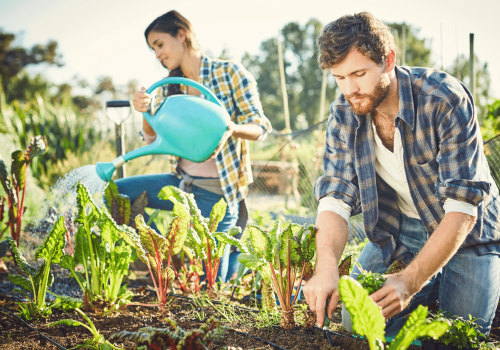
- Reconnecting with Nature: In today’s fast-paced, technology-driven world, many people feel disconnected from nature. Owning a farm provides an opportunity to immerse oneself in the natural environment. Whether it’s tending to a vegetable garden or caring for livestock, hobby farming allows individuals to engage with the earth and its cycles, fostering a deeper appreciation for nature.
- Health Benefits: Growing your own food can lead to healthier eating habits. Hobby farmers often cultivate organic fruits and vegetables, which can significantly improve their diet.
Additionally, spending time outdoors and engaging in physical labor contributes to better mental and physical health.
- Community and Connection: Hobby farming can also foster a sense of community. Many hobby farmers join local farming groups or participate in farmer's markets, creating connections with like-minded individuals. This sense of belonging can enhance social well-being and provide support networks for sharing knowledge and resources.
- Environmental Impact: By choosing to grow their own food, hobby farmers contribute positively to the environment. They often practice sustainable farming methods that reduce carbon footprints and promote biodiversity.
This conscious effort towards sustainability resonates with many who are concerned about environmental issues.
Types of Hobby Farms: What Can You Grow or Raise?
Hobby farming offers a diverse range of opportunities for individuals looking to cultivate their own land, whether in a rural setting or an urban environment. Understanding the types of hobby farms and what can be grown or raised is essential for anyone considering this rewarding lifestyle.Types of Hobby Farms
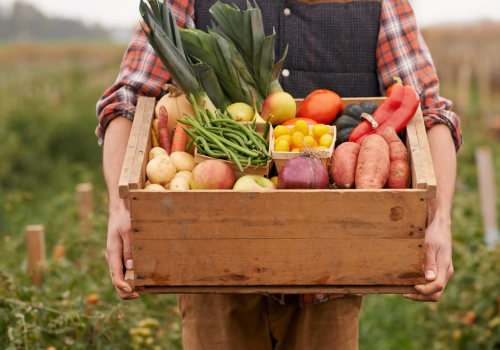
Hobby farms can be broadly categorized based on the primary focus of the activities undertaken. Here are some common types:- Vegetable and Fruit Farms: Many hobby farmers choose to grow their own produce, cultivating a variety of fruits and vegetables.
This can range from small kitchen gardens to larger plots dedicated to organic farming. Popular crops include tomatoes, peppers, cucumbers, strawberries, and herbs.
- Livestock Farms: Raising animals is another popular aspect of hobby farming. Common livestock includes chickens for eggs, goats for milk, and even bees for honey. These animals not only provide food but also contribute to the overall sustainability of the farm.
- Mixed Farms: Some hobby farmers opt for a combination of crops and livestock, creating a balanced ecosystem that supports both plant and animal life.
This approach can enhance biodiversity and improve soil health.
Urban vs. Rural Hobby Farming
The location of a hobby farm significantly influences the types of activities that can be pursued. In rural areas, hobby farmers often have more space to work with, allowing for larger gardens and more extensive livestock operations. They may also have access to natural resources such as water sources and fertile land.Conversely, urban hobby farming presents unique challenges and opportunities.Space is often limited, leading many urban dwellers to engage in vertical gardening or container gardening on balconies or rooftops. Urban farmers may focus on growing herbs, salad greens, and small fruit-bearing plants that thrive in confined spaces.Additionally, urban hobby farms often emphasize sustainability practices such as composting and rainwater harvesting due to the limited availability of land and resources. This focus on eco-friendly methods can foster a strong sense of community among urban farmers who share similar goals.In conclusion, whether you envision a sprawling vegetable garden in the countryside or a compact herb garden on your apartment balcony, hobby farming offers something for everyone. By understanding the various types of hobby farms and how location impacts your choices, you can embark on a fulfilling journey toward self-sufficiency and connection with nature.
Getting Started: Steps to Owning Your Own Farm
Starting your own farm can be an exciting and fulfilling journey, but it requires careful planning and consideration.Here are some essential steps to help you embark on the adventure of owning your own farm.
1.Define Your Goals
Before diving into the logistics, take time to reflect on what you want to achieve with your hobby farm. Are you looking to grow organic vegetables, raise livestock, or perhaps cultivate a variety of fruits? Defining your goals will guide your decisions and help you stay focused.2.Research and Education
Knowledge is power in farming. Start by researching various farming methods, crops, and livestock that interest you. Consider enrolling in local agricultural classes or workshops, which can provide valuable hands-on experience.Online resources, such as forums and websites dedicated to hobby farming, can also be beneficial.
3.Create a Business Plan
Even if your farm is a hobby, having a business plan can help clarify your vision and outline the steps needed to achieve it. Include details such as:- Budget: Estimate initial costs for land, equipment, seeds, and livestock.
- Timeline: Set realistic timelines for achieving specific milestones.
- Marketing: If you plan to sell produce or products, outline how you will reach potential customers.
4.Choose the Right Location
Your choice of location can significantly impact your farming success. Look for land that has good soil quality, access to water, and is suitable for the types of crops or animals you wish to raise. If you're considering urban farming, assess the space available in your backyard or community garden.5.Start Small
As a beginner, it's wise to start small and gradually expand as you gain experience.This approach allows you to learn the ropes without becoming overwhelmed. Begin with a few crops or a small number of animals before scaling up.
6.Build a Support Network
Connecting with other hobby farmers can provide invaluable support and advice. Join local farming groups or online communities where you can share experiences, ask questions, and learn from others who have walked the same path.7.Utilize Available Resources
There are numerous resources available for new farmers:- Local Extension Offices: These offices offer educational programs and resources tailored to your region.
- Agricultural Co-ops: Joining a co-op can provide access to shared resources and bulk purchasing options.
- Online Courses: Websites like Coursera or Udemy offer courses on various aspects of farming.
8.Prepare for Challenges
No journey is without its hurdles. Be prepared for challenges such as pests, weather conditions, and market fluctuations.Developing problem-solving skills and maintaining a flexible mindset will help you navigate these obstacles effectively.By following these steps and remaining committed to learning and adapting, you'll be well on your way to successfully owning your own farm and enjoying the many rewards that come with it.
The Community Aspect of Hobby Farming
One of the most enriching aspects of hobby farming is the sense of community that often develops among those who share this passion. Connecting with other farmers can significantly enhance your experience, providing not only camaraderie but also a wealth of knowledge and support.Joining local farming groups or community gardens can be an excellent way to meet like-minded individuals. These groups often host events, workshops, and social gatherings that allow hobby farmers to share their experiences, challenges, and successes. Engaging with others in the community can lead to valuable friendships and partnerships that make the journey of hobby farming even more enjoyable.Knowledge Sharing
One of the primary benefits of being part of a hobby farming community is the opportunity for knowledge sharing.Experienced farmers are often willing to share their insights on various topics, from soil health to pest management. This exchange of information can save you time and resources as you navigate the learning curve associated with starting your own farm.
- Workshops: Many local groups offer workshops on specific farming techniques, such as organic gardening or sustainable practices. These hands-on experiences can be invaluable.
- Online Forums: In addition to in-person gatherings, many communities have online forums where members can ask questions and share advice at any time.
- Mentorship: Connecting with seasoned hobby farmers can provide you with a mentor who can guide you through your farming journey.
Support System
The emotional support that comes from being part of a community cannot be overstated. Farming can be challenging, and having a network of people who understand the ups and downs can make a significant difference.Whether you're facing crop failures or simply need encouragement during tough times, your fellow hobby farmers can offer empathy and practical advice.Moreover, participating in community events such as farmer's markets or local fairs allows you to showcase your produce and connect with consumers who appreciate locally grown food. This not only boosts your confidence but also strengthens the local food system.In conclusion, the community aspect of hobby farming is vital for personal growth and success. By connecting with other farmers, you gain access to a treasure trove of knowledge, support, and friendship that enriches your farming experience. Embracing this community spirit can transform your hobby farm into a fulfilling endeavor that goes beyond just growing food—it becomes a shared journey towards sustainability and connection with nature.
Sustainability and Environmental Impact of Hobby Farming
Hobby farming is not just a fulfilling pastime; it also plays a significant role in promoting sustainability and enhancing environmental health.As more individuals choose to own farms for personal enjoyment, they inadvertently contribute to eco-friendly practices that can have lasting positive effects on the planet.One of the primary ways hobby farmers can promote sustainability is through the adoption of sustainable farming practices. These practices focus on maintaining the health of the land while minimizing environmental impact. Here are some key methods:
- Crop Rotation: This technique involves alternating the types of crops grown in a particular area from season to season. It helps prevent soil depletion, reduces pest buildup, and enhances soil fertility.
- Organic Farming: By avoiding synthetic fertilizers and pesticides, hobby farmers can cultivate their crops in a way that is healthier for both consumers and the environment.
Organic methods often lead to richer biodiversity and healthier ecosystems.
- Composting: Creating compost from kitchen scraps and yard waste not only reduces landfill waste but also enriches the soil with nutrients, promoting healthier plant growth.
- Water Conservation: Implementing rainwater harvesting systems or drip irrigation can significantly reduce water usage, making hobby farms more sustainable.
This awareness often leads to more sustainable consumer habits, such as supporting local farmers' markets or choosing organic products.In conclusion, hobby farming offers a unique opportunity to embrace sustainability while enjoying the rewards of growing one’s own food. By adopting eco-friendly farming methods and promoting biodiversity, hobby farmers not only enhance their own lives but also contribute positively to the environment.
Personal Stories: Experiences from Hobby Farmers
Hobby farming is not just a trend; it’s a lifestyle choice that resonates deeply with many individuals. The stories of those who have embarked on this journey are as diverse as the farms themselves. Here are some personal anecdotes from hobby farmers that illustrate the joys and challenges of cultivating their own piece of land.Emily's Urban Oasis
Emily, a graphic designer from Chicago, transformed her small backyard into a vibrant urban farm.
"I always wanted to grow my own food, but I thought I needed a large space to do it. When I discovered vertical gardening, everything changed!" she shares. Emily started with herbs and tomatoes, and now she grows a variety of vegetables and even keeps chickens. "The best part is sharing my harvest with friends and family.
It’s incredibly rewarding to see them enjoy the fruits of my labor," she adds.
Mark's Retreat in the Countryside
Mark, a retired teacher, decided to purchase a small plot in the countryside after years of dreaming about having his own farm. "I wanted a place where I could escape the hustle and bustle of city life," he explains. Mark started with a few goats and a vegetable garden. "It was tough at first; I had to learn everything from scratch.
But every morning when I see my goats frolicking in the field, I know it was worth it," he reflects.
Linda's Family Legacy
Linda grew up on a traditional farm but moved to the city for work. After retiring, she decided to return to her roots by starting her own hobby farm on her family’s land. "I wanted to honor my parents’ legacy while creating something new for my grandchildren," she says. Linda now cultivates heirloom vegetables and flowers, hosting workshops for local children to teach them about farming.
"It’s fulfilling to pass down this knowledge and keep the family tradition alive," she notes.
Community Connections
Many hobby farmers find that their experiences extend beyond personal satisfaction; they also foster community connections. For instance, Emily hosts monthly potlucks where fellow hobby farmers share their produce and recipes. "It’s amazing how much we learn from each other!" she exclaims.These stories highlight that hobby farming is more than just an activity; it’s about building relationships, reconnecting with nature, and finding joy in simple pleasures. Whether you’re in an urban setting or the countryside, there’s a unique story waiting to unfold when you decide to own your farm.
Conclusion: Embracing the Journey of Hobby Farming
As we reflect on the journey of hobby farming, it becomes clear that this endeavor is more than just a pastime; it is a profound way to connect with nature, cultivate skills, and foster a sense of community.Throughout this article, we have explored the various facets of owning a farm, from the initial excitement of planting seeds to the challenges of managing livestock and crops. Each step in this journey offers unique rewards that extend beyond mere productivity.One of the most significant takeaways is the importance of passion in hobby farming. Unlike traditional farming, where financial gain often dictates decisions, hobby farmers are driven by a love for the land and the joy of nurturing life. This intrinsic motivation not only makes the work fulfilling but also encourages creativity and experimentation.
Whether it’s trying out new planting techniques or raising rare breeds of animals, hobby farmers have the freedom to explore their interests without the pressure of commercial viability.Moreover, hobby farming fosters a sense of community. Many hobby farmers find themselves part of local networks where they can share knowledge, resources, and experiences. These connections can lead to friendships and collaborations that enrich the farming experience. Engaging with fellow enthusiasts can provide invaluable support, whether through sharing tips on pest management or exchanging surplus produce.However, it’s essential to acknowledge that owning a farm comes with its own set of challenges.
From unpredictable weather patterns to pest infestations, hobby farmers must be prepared for setbacks. Yet, these obstacles often serve as valuable learning experiences that contribute to personal growth and resilience. Embracing these challenges is part of what makes hobby farming so rewarding.In conclusion, while the path of owning a farm may be fraught with difficulties, it is ultimately a journey filled with joy, learning, and connection. For those considering this lifestyle, remember that success is not solely measured by yield or profit but by the satisfaction derived from nurturing your own piece of land.
As you embark on this adventure, keep an open heart and mind; the rewards will be plentiful and deeply fulfilling.