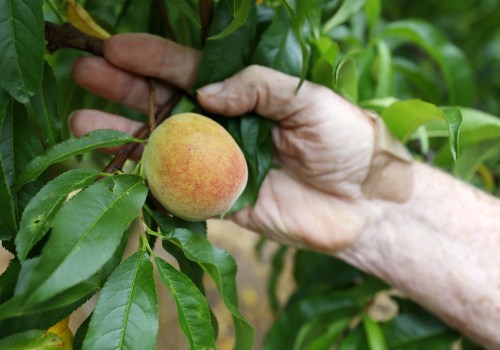
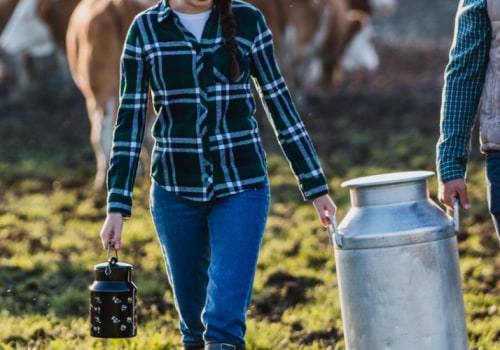
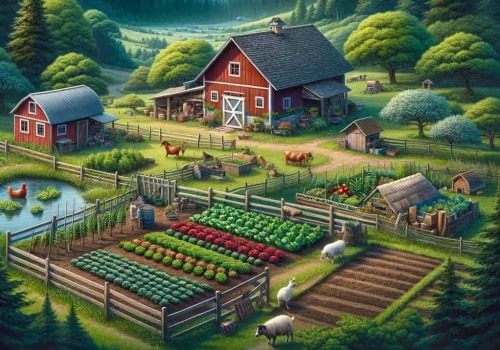
In recent years, the concept of homesteading has surged in popularity, capturing the imagination of those seeking a more sustainable lifestyle. This movement is not merely a trend; it represents a profound shift in how individuals and families view their relationship with food, land, and community. As people become increasingly aware of the environmental impact of industrial agriculture and the rising costs of grocery bills, many are turning to the idea of owning their own farm as a viable solution. This journey towards self-sufficiency is about more than just growing food; it encompasses a holistic approach to living that prioritizes sustainability, resilience, and independence.At its core, self-sufficient farming involves cultivating crops and raising animals to meet personal needs rather than for commercial profit.
This practice allows individuals to take control of their food sources, ensuring that what they consume is fresh, organic, and free from harmful chemicals. The allure of homesteading lies in its promise of autonomy—by producing their own food, homesteaders can reduce their reliance on external systems that may be unstable or unsustainable. Moreover, this lifestyle fosters a deep connection with nature and encourages a greater appreciation for the cycles of life.The growing interest in homesteading reflects broader societal changes. As urbanization continues to dominate modern life, many are yearning for a return to simpler times when families were more connected to the land.
The desire to own a farm is not just about agriculture; it symbolizes a quest for self-reliance and a commitment to environmental stewardship. By embracing practices such as permaculture, organic gardening, and animal husbandry, individuals can create thriving ecosystems that benefit both their families and the planet.
The Benefits of Owning Your Own Farm
Owning your own farm offers a multitude of benefits that extend beyond mere food production. It represents a lifestyle choice that fosters independence, sustainability, and a deeper connection to the land. Here are some of the most significant advantages of homesteading and self-sufficiency:- Access to Fresh Produce: One of the most immediate benefits of owning a farm is the ability to grow your own fruits, vegetables, and herbs.
This not only ensures that you have access to fresh, organic produce but also allows you to control what goes into your food. You can choose to cultivate heirloom varieties or organic crops, free from harmful pesticides and chemicals.
- Cost Savings:Cost Savings: By producing your own food, you can significantly reduce your grocery bills. The initial investment in seeds, plants, and equipment may seem daunting, but over time, the savings can be substantial. Additionally, you can save on transportation costs associated with buying food from stores.
- Health Benefits: Growing your own food encourages healthier eating habits.
When you have a garden full of fresh produce at your fingertips, you are more likely to incorporate a variety of fruits and vegetables into your diet. This can lead to improved overall health and well-being.
- Environmental Impact: Homesteading promotes sustainable practices that benefit the environment. By growing your own food, you reduce the carbon footprint associated with transporting food long distances. Furthermore, many homesteaders practice organic farming methods that enhance soil health and biodiversity.
- Self-Sufficiency: Owning a farm empowers you to become more self-sufficient.
You learn valuable skills such as gardening, animal husbandry, and food preservation. This knowledge not only enhances your ability to provide for yourself but also fosters resilience in times of economic uncertainty.
- Community Connection: Many homesteaders find a sense of community among like-minded individuals who share their passion for sustainable living. Engaging with local farmers' markets or joining homesteading groups can provide support, resources, and opportunities for collaboration.
As more individuals seek alternatives to conventional living, the appeal of owning a farm continues to grow.
Getting Started: Planning Your Homestead
Embarking on the journey of homesteading and planning your own farm is an exciting venture that requires careful thought and preparation. The first step in this process is to select the right site for your homestead. Consider factors such as soil quality, water availability, climate, and proximity to resources like markets and healthcare. A well-chosen location can significantly impact the success of your farming endeavors.Once you have identified a suitable site, the next step is to design the layout of your homestead.This involves planning where to place essential structures such as your home, barn, garden, and animal enclosures. A well-thought-out design not only maximizes efficiency but also enhances the overall functionality of your farm. Here are some key elements to consider:
- Home Placement: Position your home to take advantage of natural light and prevailing winds. This can help reduce heating costs in winter and keep your home cool in summer.
- Garden Location: Choose a sunny spot for your garden, ideally with good drainage.
Raised beds can be beneficial for improving soil quality and managing pests.
- Animal Housing: Ensure that animal enclosures are located away from your living space to minimize noise and odors. Consider accessibility for feeding and cleaning.
- Water Sources: Plan for easy access to water for both irrigation and livestock. If possible, incorporate rainwater harvesting systems into your design.
Investing in quality tools will make daily tasks more manageable. Additionally, consider joining local farming groups or online communities where you can share experiences and gain insights from seasoned homesteaders.Finally, create a timeline for implementing your plans. Start with small projects that can be expanded over time as you gain experience and confidence in managing your homestead. Remember that flexibility is key; be prepared to adapt your plans as you learn what works best for you and your land.
Essential Skills for Successful Homesteading
Embarking on the journey of homesteading requires a diverse set of skills that are essential for achieving self-sufficiency and sustainability.Whether you are starting your own farm or simply looking to live off the land, mastering these skills will empower you to thrive in a homesteading lifestyle.
Gardening Skills
At the heart of any successful homestead is a productive garden. Understanding gardening techniques is crucial for growing your own food. This includes:- Soil Management: Knowing how to test and amend your soil is vital for healthy plant growth. Techniques such as composting and crop rotation can enhance soil fertility.
- Plant Selection: Choosing the right plants for your climate and soil type can significantly impact your yield.
Familiarize yourself with heirloom varieties and native plants that thrive in your area.
- Pest Control: Learning natural pest management strategies, such as companion planting and attracting beneficial insects, can help protect your crops without harmful chemicals.
Animal Husbandry
If you plan to raise animals, acquiring skills in animal husbandry is essential. This includes:- Basic Care: Understanding the dietary, housing, and health needs of different animals is fundamental. Regular veterinary care and vaccinations are also important.
- Breeding Techniques: If you intend to breed livestock, knowledge of genetics and breeding practices will help you maintain healthy herds or flocks.
- Ethical Practices: Emphasizing humane treatment and sustainable practices ensures that your animals are healthy and productive.
Food Preservation
To make the most of your harvest, learning food preservation methods is key. Skills in this area include:- Canning: Mastering the art of canning allows you to store fruits, vegetables, and meats safely for long-term use.
- Drying: Dehydrating fruits and herbs can extend their shelf life while retaining flavor and nutrients.
- Fermentation: This ancient technique not only preserves food but also enhances its nutritional value through probiotics.
Sustainable Practices
Sustainability is a cornerstone of homesteading.Developing skills in sustainable practices will help you minimize waste and maximize efficiency:
- Water Conservation: Implementing rainwater harvesting systems or drip irrigation can significantly reduce water usage.
- Renewable Energy: Exploring options like solar panels or wind turbines can help power your homestead sustainably.
- Permaculture Design: Learning about permaculture principles can help you create a self-sustaining ecosystem on your property.
Sustainable Farming Practices to Implement on Your Homestead
Implementing sustainable farming practices on your homestead is essential for creating a self-sufficient and eco-friendly environment. These practices not only enhance the health of your land but also contribute to the overall well-being of your family and the planet.Here are some key sustainable farming methods to consider:
- Crop Rotation: This technique involves alternating the types of crops grown in a particular area from season to season. By rotating crops, you can prevent soil depletion, reduce pest populations, and improve soil fertility. For example, following nitrogen-fixing legumes with heavy feeders like corn can enhance nutrient availability.
- Composting: Composting is a natural way to recycle organic waste into nutrient-rich soil amendments. By collecting kitchen scraps, yard waste, and other biodegradable materials, you can create compost that enriches your garden soil, promotes healthy plant growth, and reduces the need for chemical fertilizers.
- Natural Pest Control:Natural Pest Control: Instead of relying on synthetic pesticides, consider using natural pest control methods.
This can include introducing beneficial insects like ladybugs and lacewings that prey on harmful pests, or using organic sprays made from neem oil or insecticidal soap. Additionally, companion planting—growing certain plants together that naturally repel pests—can be an effective strategy.
- Permaculture Principles: Permaculture is a holistic approach to farming that emphasizes working with nature rather than against it. Key principles include designing your farm layout to maximize energy efficiency, utilizing water catchment systems for irrigation, and creating diverse ecosystems that support various plant and animal species. Implementing permaculture techniques can lead to a more resilient and productive homestead.
Embracing eco-friendly methods ensures that your land remains productive for generations to come while minimizing your ecological footprint.
Community and Networking in Homesteading
Building a strong community and establishing networks are essential components of successful homesteading. When you own a farm, the journey can often feel isolating, especially for those who are new to the practice. However, connecting with fellow homesteaders can provide invaluable support, resources, and knowledge that can enhance your farming experience.One of the most significant advantages of being part of a homesteading community is the sharing of resources. Whether it’s tools, seeds, or livestock, pooling resources can help reduce costs and increase efficiency.For instance, if you have a neighbor who owns a tractor, you might arrange to share its use for larger projects like tilling or harvesting. This not only saves money but also fosters a sense of camaraderie among homesteaders.Moreover, networking allows for the exchange of knowledge. Experienced homesteaders can offer insights into best practices for crop rotation, pest management, and animal husbandry. Participating in local workshops or online forums can provide access to a wealth of information that may not be readily available through traditional agricultural channels.
Additionally, these interactions can inspire new ideas and techniques that you might not have considered on your own.Support systems are another critical aspect of homesteading communities. Whether it’s emotional support during challenging seasons or practical help during busy harvest times, having a network of like-minded individuals can make all the difference. Many homesteaders find that sharing their struggles and successes with others who understand the unique challenges of farming creates a strong bond that enhances their overall experience.In addition to local connections, online communities have become increasingly popular among homesteaders. Social media platforms and dedicated forums allow individuals to connect with others across the globe.
These virtual networks provide opportunities to share experiences, ask questions, and even trade goods or services with fellow farmers who may be miles away.Ultimately, embracing the spirit of community and networking in homesteading not only enriches your own farming journey but also contributes to the sustainability and resilience of the broader agricultural landscape. By working together and supporting one another, homesteaders can create thriving ecosystems that benefit everyone involved.
The Future of Homesteading: Trends and Innovations
The future of homesteading is being shaped by a confluence of emerging trends and innovative technologies that promise to enhance self-sufficient living. As more individuals and families seek to cultivate their own farms, the integration of modern advancements into traditional practices is becoming increasingly vital.Technological Innovations in Agriculture
- Smart Farming: The rise of smart farming technologies, including sensors and IoT devices, allows homesteaders to monitor soil health, moisture levels, and crop conditions in real-time. This data-driven approach enables more efficient resource management and can significantly increase yields.
- Vertical Farming: Urban homesteaders are turning to vertical farming techniques, which maximize space by growing crops in stacked layers.
This method not only conserves land but also reduces water usage and can be implemented in small backyards or even indoors.
- Hydroponics and Aquaponics: These soil-less farming methods are gaining traction among homesteaders. Hydroponics allows for the cultivation of plants in nutrient-rich water, while aquaponics combines fish farming with plant cultivation, creating a symbiotic environment that enhances productivity.
Sustainable Practices on the Rise
As awareness of environmental issues grows, sustainable practices are becoming a cornerstone of modern homesteading. Techniques such as permaculture, which emphasizes working with natural ecosystems, are being adopted widely. This holistic approach not only improves soil health but also fosters biodiversity.
Community Engagement and Education
The future of homesteading is also marked by a strong sense of community.
Online platforms and local workshops are facilitating knowledge sharing among homesteaders. These resources provide valuable insights into best practices, innovative techniques, and troubleshooting common challenges.In conclusion, the future of homesteading is bright, driven by technological advancements and a commitment to sustainability. As these trends continue to evolve, they will empower more people to create their own farms, fostering a deeper connection to the land and promoting self-sufficiency.
Conclusion: Embracing the Homesteading Lifestyle
As we conclude our exploration of the art of homesteading, it becomes clear that owning a farm is not merely about cultivating crops or raising livestock; it is a profound lifestyle choice that fosters self-sufficiency, sustainability, and a deeper connection to the land. The journey towards becoming a homesteader is filled with challenges and rewards, each contributing to a richer, more fulfilling life.Throughout this guide, we have examined the numerous benefits of embracing a homesteading lifestyle.From the ability to produce your own food and ensure its quality to the financial savings associated with reducing grocery bills, the advantages are compelling. Moreover, engaging in self-consumption farming promotes healthier eating habits and encourages physical activity, which can lead to improved overall well-being.However, it is essential to acknowledge the challenges that come with this lifestyle. The commitment required for successful homesteading can be daunting, especially for those new to farming practices. Yet, with determination and a willingness to learn, these obstacles can be overcome.
The sense of accomplishment that comes from nurturing your own land and providing for your family is unparalleled.As you consider the possibility of starting your own farm, remember that homesteading is not just about isolation; it is also about community. Many homesteaders find joy in sharing their experiences and knowledge with others, creating networks of support that can enhance the journey. Whether through local farmers' markets, community gardens, or online forums, connecting with fellow homesteaders can provide invaluable resources and encouragement.In summary, embracing the homesteading lifestyle offers a unique opportunity to reclaim your relationship with food and nature while fostering independence and resilience. As you contemplate this path, consider how owning a farm could transform not only your diet but also your entire way of life.
The journey may be challenging, but the rewards—both tangible and intangible—are well worth the effort.So take that first step towards self-sufficiency today. Whether you start small with a few garden beds or dive into larger-scale farming, every effort counts towards building a sustainable future for yourself and your family. The art of homesteading awaits you!.